“Terminally Ill Mother Ends Lives of Herself and Disabled Son in Heartbreaking Tragedy”

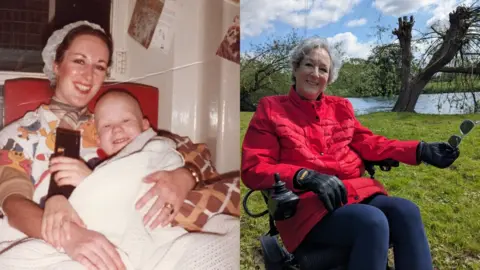
Shirley Nunn, a devoted 67-year-old mother, had spent many years of her life selflessly caring for her adult son, Stephen, who was 50 years old. Stephen had been living with severe brain damage and profound physical disabilities ever since he suffered a tragic accident at the young age of just 11. For decades, Shirley had been his primary caregiver, providing him with constant daily support, assistance with all his personal needs, and unwavering love
.In July 2021, Shirley received devastating news when she was diagnosed with stage three cancer. Just one month later, doctors delivered the heartbreaking update that her illness had become terminal. By October, the situation worsened further when she learned that the cancer had aggressively spread to her brain, spine, and pelvis. This progression made her already difficult circumstances even more challenging, both physically exhausting and emotionally overwhelming.On October 24, 2021, in what authorities later described as an act born out of deep despair, Shirley administered a fatal overdose of medication to her son Stephen. She then took a fatal overdose herself.
The bodies of both mother and son were later discovered by a family member in Stephen’s bedroom in Middlesbrough.Following their deaths, an official review was conducted to examine the circumstances surrounding the tragedy. The review concluded that more support could and should have been provided to Shirley after her cancer diagnosis. It highlighted how she had been battling a terminal illness while simultaneously continuing to provide full-time care for her severely disabled son — a combination that likely intensified her overwhelming stress, isolation, and emotional burden.
This deeply tragic case serves as a powerful reminder of how critically important both emotional and practical support are for individuals who are facing a serious, life-limiting illness while also carrying the heavy responsibility of caring for a loved one with complex needs.