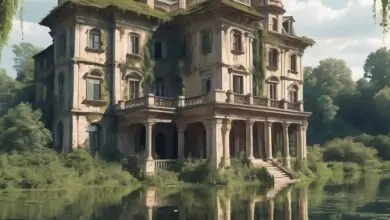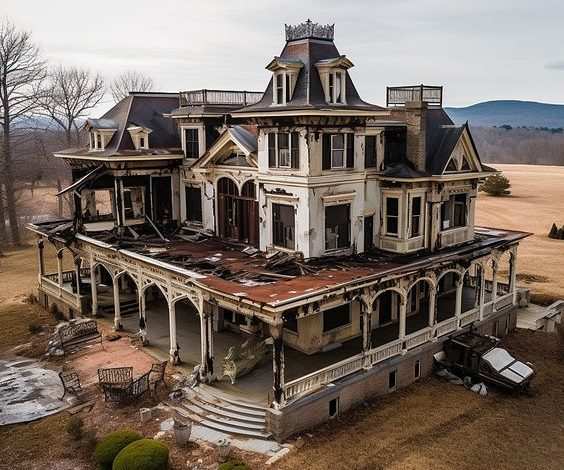
Here are some virtually image being restored, which one is your favourite:


In the heart of a forgotten town lies a relic of architectural splendor—a once-grand mansion now shrouded in the cloak of abandonment. With its weathered façade and crumbling walls, the house stands as a silent witness to the passage of time, its former elegance obscured by neglect and decay. Yet, amidst the ruins, a glimmer of hope emerges—a vision of resurrection through the transformative power of virtual restoration.
Unveiling Forgotten Beauty
Nestled amidst overgrown foliage and creeping vines, the abandoned house exudes an air of mystery and melancholy. Once a symbol of prosperity and prestige, its ornate details and grand proportions now lay obscured by layers of dust and debris. But for one visionary artist, the decayed façade serves as a canvas for an ambitious undertaking—a virtual restoration that seeks to breathe new life into the forgotten beauty of the mansion.
The Art of Virtual Restoration
Armed with cutting-edge technology and a passion for preservation, the restoration process begins. Through a meticulous combination of historical research, architectural expertise, and digital wizardry, the artist embarks on a journey to resurrect the mansion to its former glory. Using advanced software, they meticulously recreate every detail of the house, from its intricate moldings to its stained glass windows, with unparalleled precision and accuracy.
Bridging Past and Present
As the virtual restoration unfolds, the house begins to emerge from the shadows of neglect, its faded grandeur gradually giving way to renewed vitality. With each stroke of the digital brush, the artist breathes life into the forgotten rooms, restoring them to their former opulence and elegance. Through the magic of virtual reality, viewers are transported back in time, stepping through the threshold of the restored mansion to experience its splendor firsthand.
Preserving History for Future Generations
Beyond its aesthetic appeal, the virtual restoration serves a higher purpose—to preserve the history and heritage embodied within the walls of the mansion. By immortalizing its architectural beauty in digital form, the project ensures that future generations will have the opportunity to appreciate and cherish the legacy of the house, long after the physical structure has succumbed to the ravages of time.
A Collaborative Endeavor
The virtual restoration of the abandoned mansion is not a solitary pursuit, but rather a collaborative endeavor that brings together experts from across disciplines. Historians, architects, preservationists, and digital artists join forces, pooling their knowledge and expertise to breathe new life into the forgotten relic. Through their collective efforts, the project transcends mere restoration, becoming a celebration of creativity, innovation, and the enduring power of collaboration.
Reviving the Soul of the House
As the virtual restoration nears completion, a sense of anticipation fills the air—a palpable energy that heralds the rebirth of the mansion. With each passing day, the once-abandoned house begins to reclaim its former identity, its restored features gleaming in the virtual sunlight. Gone are the signs of neglect and decay, replaced by an aura of vibrancy and vitality that permeates every corner of the restored mansion.
Inspiring Imagination and Wonder
The virtual restoration of the abandoned house serves as more than just a technical achievement—it is a testament to the boundless potential of human creativity and ingenuity. Through its digital resurrection, the mansion ignites the imagination and inspires wonder, inviting viewers to ponder the stories and secrets hidden within its walls. In doing so, it becomes more than just a structure—it becomes a symbol of hope, resilience, and the enduring spirit of beauty.
Embracing the Future
As the virtual restoration draws to a close, the abandoned mansion stands transformed—a beacon of beauty amidst the ruins, a testament to the power of vision and perseverance. Though its physical form may remain unchanged, its spirit lives on in the hearts and minds of all who behold it. And as we gaze upon the restored mansion, we are reminded that even in the darkest of times, there is always the possibility of renewal, of resurrection, and of a future filled with beauty and promise.