“I Was Four Years Old” — Terrence Howard Reveals Childhood Sexual Trauma That Shocked the World

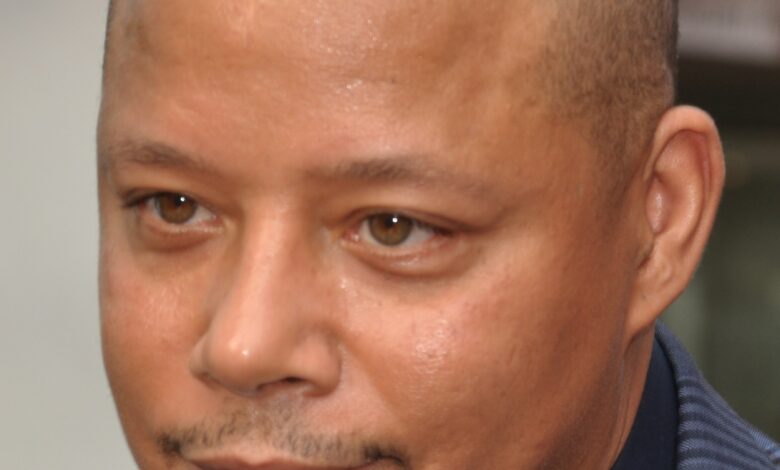
In a profoundly raw and vulnerable moment on the PBD Podcast hosted by Patrick Bet-David, acclaimed Hollywood actor Terrence Howard—known for standout roles in films like Hustle & Flow, Iron Man, and the hit series Empire—opened up about deeply traumatic experiences from his early childhood that have haunted him for decades.During the wide-ranging interview, which has rapidly gone viral across social media platforms like YouTube, Instagram, X, and TikTok, Howard recounted how, at just four years old, he was involved in sexual activity with slightly older neighborhood children (girls aged six and seven who were tasked with watching him). He described these encounters as becoming a near-daily occurrence that persisted from age four until around age 13, stating poignantly that he had “more sex between 4 and 13 than I’ve had in my entire adult life.” Howard framed this as a profound loss of innocence, explicitly calling it “effectively being molested” despite the involvement of other young children rather than adults.
Growing up in an unsupervised environment in Cleveland, Ohio, he explained that such behavior was disturbingly normalized among kids in his neighborhood at the time, contributing to a distorted early understanding of intimacy, relationships, and sexuality.The actor reflected candidly on how these formative experiences shaped his identity, behavior, and worldview in complex, often painful ways. He linked them to patterns of manipulation he later recognized in himself during his youth (influenced partly by family members involved in pimping), a delayed personal milestone—he didn’t masturbate until age 25 due to strict teachings from his father equating it with homosexuality—and an overarching fear of karma that now drives his hyper-protective approach to parenting his own children, particularly his daughters. Howard emphasized the long-term psychological toll: these early traumas warped his sense of self, fueled internal struggles, and left him grappling with guilt, confusion, and a need for redemption later in life.
The conversation has ignited intense online reactions and meaningful dialogue. Many viewers and commentators have praised Howard’s extraordinary courage in sharing such intimate, stigmatized details publicly—something countless survivors of childhood sexual trauma find nearly impossible to voice. Supporters highlight how his honesty normalizes discussions around the lasting scars of early abuse, the importance of breaking cycles of harm, and the urgent need for safe, supervised environments for children to prevent similar exposures.
Others point to the broader societal implications: how unsupervised childhoods, exposure to premature sexualization, and unaddressed trauma can ripple into adulthood, affecting mental health, relationships, and personal growth.Critics and observers alike note the interview’s emotional weight, with clips amassing millions of views and sparking hashtags, reaction videos, and threads debating trauma recovery, masculinity, parenting vigilance, and the courage required to confront painful pasts on such a public stage. Howard’s willingness to confront these realities head-on has been hailed as a powerful act of vulnerability from a high-profile figure, encouraging others to seek healing and underscoring that trauma’s effects can endure—but so can resilience and the pursuit of understanding. The full episode, released recently, continues to circulate widely, reminding audiences that even celebrated stars carry invisible burdens shaped by childhood wounds.