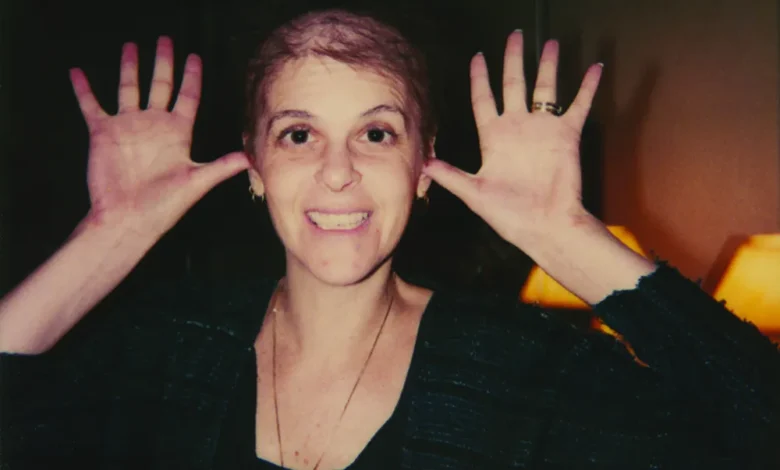
She made millions laugh on Saturday nights. Then she taught the world how to face death with courage.In 1975, a young woman from Detroit walked onto a New York soundstage for the very first episode of a late-night comedy show that nobody was sure would succeed. Her name was Gilda Radner. The show was Saturday Night Live. And together, they would change television forever.Gilda wasn’t supposed to be a star.
She had studied at the University of Michigan, honed her skills at Chicago’s legendary Second City, and worked her way up in comedy at a time when women were rarely given the spotlight. But from the moment she appeared on SNL, something magical happened.Her unforgettable characters — the hard-of-hearing Emily Litella with her hilarious misunderstandings and the brash Roseanne Roseannadanna with her outrageous commentary — didn’t just make people laugh. They became part of America’s cultural vocabulary. “Never mind,” Emily would say after yet another mix-up, and the whole country would smile.
What made Gilda special wasn’t just her talent. It was her fearlessness. She threw herself completely into every character, unafraid to look silly, to be too much, or to be vulnerable. In an era dominated by male comedians, she proved that women could be just as bold, just as funny, and just as brilliant. She didn’t ask for permission — she simply shone.Off stage, Gilda found love with actor Gene Wilder while filming Hanky Panky in 1982. They married in 1984, creating one of Hollywood’s most genuine and touching partnerships.But in 1986, that happiness was threatened. Gilda began experiencing troubling symptoms.
For months, doctors misdiagnosed her. When they finally discovered the truth — ovarian cancer — it had already advanced significantly.What happened next revealed the true depth of Gilda’s character. Instead of suffering in silence, she chose to speak openly about her battle. She wrote about it. She talked about it. She turned her pain into purpose, hoping her experience would help others recognize symptoms earlier and fight more effectively.On May 20, 1989, Gilda Radner died in her sleep at the age of 42, with Gene Wilder holding her hand.The world mourned the loss of a comedic genius. But Gilda’s story didn’t end with her death — it grew into something even more meaningful.In 1995, Gene Wilder and Gilda’s cancer psychotherapist opened the first Gilda’s Club in New York City — a warm, welcoming place where people with cancer and their families could find support, community, and even laughter.
Today, there are dozens of Gilda’s Clubs across North America, serving hundreds of thousands of people.Gilda spent her life making people laugh. In death, she gave countless others strength, hope, and the knowledge that they don’t have to face hardship alone.Some performers leave behind funny characters. Gilda Radner left behind a legacy of courage and compassion.She showed us that even in our darkest moments, we can still light the way for others.