Uncategorized

Filmed 150 Women in Toilets — Walked Free, No Conviction, Still Studying to Be a Doctor!
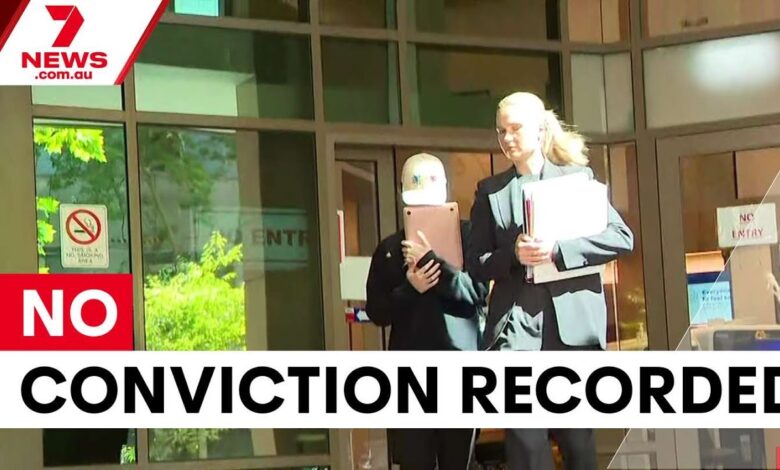
Here is a longer, more detailed version of the text in English, expanded with additional context and background while preserving the original facts and content:A high-profile criminal case in Melbourne, Australia, has captured widespread public attention and ignited fierce online discussions following revelations that a 23-year-old international biomedical student, Bao Phuc Cao (originally from Vietnam and studying at the University of Melbourne), secretly used hidden cameras and mobile devices to film women without their consent in women’s restrooms and showers.
Police investigations uncovered up to 150 victims across multiple incidents, including public facilities at locations such as the District Docklands shopping centre (Chipmunks Playland & Cafe) and private student accommodation in the CBD, such as RoomingKos. Authorities reported discovering more than 100 videos and photos on the offender’s phone and other devices, though the exact number of unique victims remains uncertain due to potential overlaps in the recordings.The offenses involved serious privacy violations, commonly classified under Australian law as upskirting, voyeurism, and secretly recording intimate images. In one documented instance, a woman noticed a phone being held under her shower cubicle while showering at student housing, prompting her to alert authorities and leading to the student’s immediate arrest.
This incident followed a prior arrest months earlier for similar behavior in a public toilet, highlighting a pattern of repeated offending.During court proceedings at the Melbourne Magistrates Court, the defendant pleaded guilty to the charges. In his interactions with police, he reportedly claimed that he had entered women’s restrooms due to uncertainty about his gender identity. Despite the gravity of the offenses—described by prosecutors and the magistrate as causing significant long-term trauma to victims, including one woman who now fears for her safety and avoids public restrooms entirely—the court imposed a non-custodial sentence. No conviction was recorded on his criminal record. Instead, he received a 12-month adjourned undertaking (requiring good behavior) and an extension of an existing community corrections order, which includes mandatory participation in sex offender treatment programs.The sentencing decision has allowed the student to remain free in the community and to continue his biomedical studies at the University of Melbourne, where he had been pursuing a pathway toward a career in medicine (with aspirations noted in some reports toward neurosurgery). This outcome has provoked intense backlash and debate across social media platforms, news comment sections, and community forums.
Critics argue that the lenient penalty undermines victim protections, questions sentencing standards for voyeurism and privacy-related sexual offenses in Victoria, and raises serious ethical concerns about permitting someone with a history of such predatory behavior to enter a highly trusted profession like medicine—where practitioners routinely deal with vulnerable patients in intimate and private settings. Many online commentators and victims’ advocates are calling for automatic professional disqualifications, expulsion from university programs, deportation (given his international student status), or at minimum stricter regulatory oversight by medical boards to prevent future risks.Supporters of the court’s approach, including some legal perspectives, point to factors such as the offender’s age, guilty plea, lack of prior convictions in some contexts, participation in rehabilitation, and judicial discretion under Victorian sentencing guidelines, which prioritize rehabilitation for young first-time or low-level offenders in non-violent cases. However, the case—marking what some reports describe as the third sentencing occasion for related or repeated behavior—has amplified demands for law reforms, including tougher mandatory minimums for repeat voyeurism offenses, enhanced privacy safeguards in public and shared spaces, and clearer guidelines on professional fitness for sensitive careers following sexual offense convictions.
The controversy underscores broader societal tensions in Australia around balancing offender rehabilitation with public safety, victim justice, and accountability in an era of increasing awareness about hidden-camera crimes and digital privacy violations. As the story continues to circulate widely, it has prompted renewed calls from advocacy groups for systemic changes to ensure stronger deterrents and protections against such invasive and harmful conduct.
Shkruaj te Esat Esat