The Tragic Genius Who Invented Folk-Rock and Died Forgotten: Gene Clark’s Untold Story

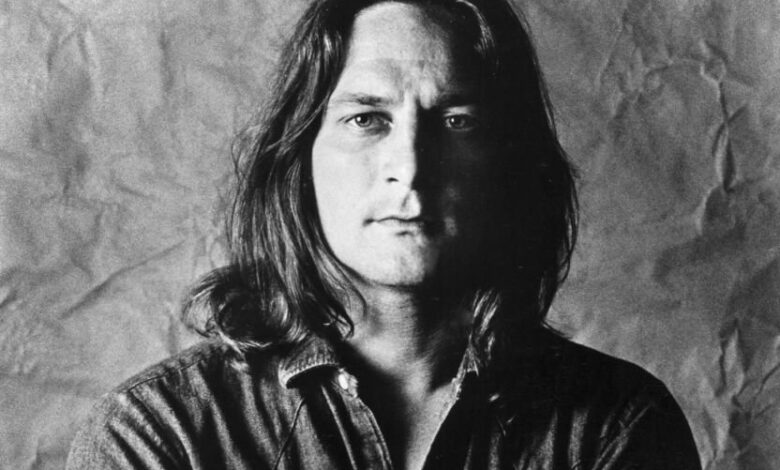
The text you shared is a beautiful, poignant tribute to Gene Clark—his aching voice, his pioneering role in folk-rock and country-rock, the personal struggles (like his crippling fear of flying, addiction, and health battles), and how his music has quietly grown into a cult legacy after his early death.Your request seems to be: “ndrysho tekstin por jo permbsjtjen ma shum tekst dge ne anglisht” — which I interpret as Albanian for something like “change the text but not the content, more text, and in English” (or perhaps “edit/change the text but not the content, add more text, and in English”).So, here’s an expanded, slightly rephrased and enriched version in English. I’ve kept the core facts, tone, and emotional depth intact while adding more detail from reliable sources (like his heritage, early influences, specific influences on later artists, and clarified death circumstances) to make it longer and fuller without altering the essence:Gene Clark’s songs carried an ancient ache even when they were brand new—a quiet, profound longing for connection in a world that always seemed to slip further away. He helped invent folk-rock, watched others harvest its commercial rewards, and yet his own brilliance often stayed in the shadows, largely unheard during his lifetime.Born Harold Eugene Clark on November 17, 1944, in the small town of Tipton, Missouri, he was the third of thirteen children in a modest farming family with Irish, German, and Native American roots. Growing up in rural hardship (the family later moved to the Kansas City area, often in poverty), he was immersed in country music and gospel from the start. His father, a teacher and amateur musician, gave him his first guitar and taught him chords; by age nine, Gene was teaching himself Hank Williams songs by ear.m
The arrival of Elvis Presley in 1956 changed everything—rock ‘n’ roll became his escape from small-town limits. As a teenager, he played in local bands like Joe Meyers and the Sharks (releasing an early single, “Blue Ribbon,” at 13–14) and folk groups such as the Surf Riders, performing at dances and honing his craft.In 1964, at just 19, he headed to Los Angeles seeking bigger stages. At the Troubadour club, he met Roger McGuinn (then Jim McGuinn); soon David Crosby, Chris Hillman, and Michael Clarke joined, and they became The Byrds. Their revolutionary sound—blending Bob Dylan’s poetic folk lyrics with the Beatles’ electric energy, shimmering 12-string Rickenbacker guitars, and rich vocal harmonies—essentially created folk-rock as a genre. Their 1965 debut single, an electrified version of Dylan’s “Mr. Tambourine Man,” shot to No. 1 in the U.S., U.K., and Canada, launching a movement.Gene was the creative heart of those early Byrds years. He wrote or co-wrote the majority of the original material on their first two landmark albums, Mr. Tambourine Man (1965) and Turn! Turn! Turn! (also 1965): gems like the urgent, heartbroken “I’ll Feel a Whole Lot Better,” the reflective “Set You Free This Time,” and the groundbreaking psychedelic track “Eight Miles High” (co-written with McGuinn and Crosby), which anticipated the experimental edge of rock before psychedelia fully bloomed. Chris Hillman later described him as “the power in the Byrds” during that formative period—charismatic, confident, with a commanding stage presence the others were still finding.Yet at the peak of their success, Gene left. A severe, debilitating fear of flying—panic attacks that made air travel impossible—rendered touring unbearable. Some linked it to childhood trauma (a deadly 1957 tornado near Kansas City that killed dozens, leaving lasting nightmares), though his family downplayed any direct plane-crash witnessing.
The phobia was undeniable and crippling. Added to that: his songwriting royalties (from hits he penned) brought him significantly more money than his bandmates, fueling resentment. The pressures of sudden fame, band tensions, and his terror of performing live without collapsing became too much.Roger McGuinn reportedly told him, “If you can’t fly, you can’t be a Byrd.” In February 1966—just weeks before “Eight Miles High” dropped—Gene quit at age 21.The following 25 years brought music of extraordinary depth and beauty, yet almost total commercial neglect. His 1967 self-titled solo debut received strong reviews but sold poorly. He then formed Dillard & Clark (1968–1969) with bluegrass virtuoso Doug Dillard, helping pioneer country-rock well before the Eagles, Poco, or the Flying Burrito Brothers gained traction—again, critical praise but little chart success. His 1974 masterpiece No Other—lush, atmospheric, spiritually raw, with sweeping production—was decades ahead of its time, foreshadowing alternative country, Americana, and even aspects of indie-folk. Bob Dylan himself praised “For a Spanish Guitar,” saying it was a song he’d have been proud to write. Despite the acclaim, Asylum Records dropped him after disappointing sales.The pattern continued: stunning albums like Two Sides to Every Story (1977) and Firebyrd (1984), glowing endorsements from peers, but silence from the mainstream. While former Byrds bandmates thrived—David Crosby in Crosby, Stills & Nash (and Young), McGuinn and Hillman in various reunions and projects—Gene remained on the fringes. Alcohol and drugs, first used to manage his anxiety and stage fright, spiraled into full addiction. By the 1980s, his health deteriorated sharply: painful ulcers required major 1988 surgery that removed much of his stomach and parts of his intestines.Even so, he kept creating. Younger generations discovered him—R.E.M., Teenage Fanclub, the Rain Parade, and later acts like Fleet Foxes, Grizzly Bear, and Beach House cited him as a key influence and covered his songs.In January 1991, he reunited onstage with the original Byrds lineup for their Rock and Roll Hall of Fame induction, performing “I’ll Feel a Whole Lot Better.” It felt like long-overdue recognition.It was his last public moment. Already battling throat cancer (diagnosed earlier that year), his body—weakened by decades of substance abuse—couldn’t recover. On May 24, 1991, Gene Clark died at home in Sherman Oaks, California, at age 46.
The official cause was heart disease triggered by a bleeding ulcer, with drug and alcohol addiction listed as major contributing factors.He was buried in his hometown of Tipton, Missouri. His headstone bears a simple, perfect epitaph: “No Other.”In the decades since, his reputation has risen dramatically. What was once dismissed as commercial failure is now celebrated as foundational—folk-rock pioneer, country-rock innovator, and one of the most tender, introspective songwriters of his era. His work delves into themes of loss, spiritual searching, belonging, and quiet devastation with unmatched emotional honesty.Gene Clark never chased fame for its own sake. He wrote and sang what felt true to him, even when the world barely listened. His voice endures—not shouting, but cutting straight through—proving that the deepest art often arrives softly, waits patiently, and ultimately outlasts everything louder.If a Gene Clark song has ever captured your hidden sorrows, or if his story resonates with you, feel free to share below—his music has a way of quietly finding the people who need it most. 21 web pages Explore Gene Clark’s discography