“Chris Evans’ Mom Burst Into Tears Seeing Him as Skinny Steve – The Heartbreaking Reason Will Melt You! “

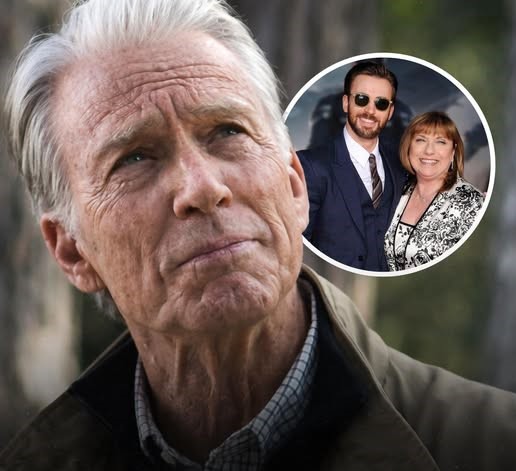
- Practical prosthetics and makeup: Evans wore custom-fitted pieces to slim his naturally athletic 6’0″ frame, including facial appliances for hollowed features, neck extensions, and body padding to emphasize thinness. Hours in the makeup chair were required daily to apply layers that altered his jawline, added wrinkles, and created the illusion of frailty without restricting his performance.
- Digital enhancements: Post-production used CGI to further shrink his body proportions, de-age elements slightly for consistency, and seamlessly blend the practical work. This hybrid approach ensured the character looked authentically underweight and sickly while allowing Evans to move naturally during filming (he performed most scenes himself, with clever camera angles and body doubles used sparingly for extreme shots).
Evans has noted in various reflections how humbling the experience was—going from a buff actor to this vulnerable figure highlighted the character’s core theme of inner strength over physical might. For his family, though, it transcended the movie: the resemblance to his grandfather turned a routine screening into an emotional encounter with the past, underscoring how art can unexpectedly mirror life.This anecdote has resurfaced in fan discussions and MCU retrospectives, often alongside the similar (but separate) story of his mother’s tears over the “Old Man Steve” scene in Avengers: Endgame (2019), where advanced de-aging VFX and prosthetics made Evans look elderly—and again evoked her father’s likeness. Both instances highlight the power of transformative makeup and effects in the Marvel Cinematic Universe, not just for spectacle, but for creating genuine, human connections—even off-screen.It’s a touching reminder that behind the capes and shields, these blockbuster films carry real emotional weight for the people who bring them to life and their loved ones.