“She Was Right Before the World Was Ready: Demi Moore and the Quiet Triumph of G.I. Jane”

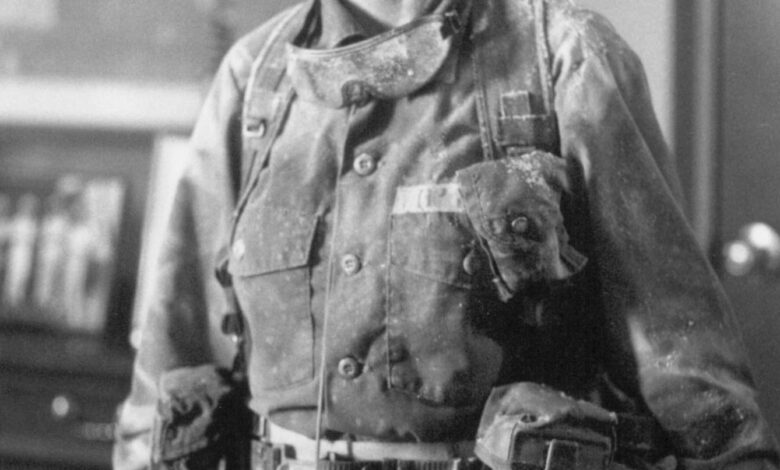
In 1997, Demi Moore made a choice that made every studio in Hollywood nervous.She shaved her head completely bald — not for an awards-bait drama, but for an action film about a woman fighting to earn a spot among Navy SEALs. It was a story the industry was certain no one wanted to see.Moore didn’t just prepare for the role. She gave everything to it.For months before filming, she trained with former Navy SEAL Stephen Helvenston.
Her days started before sunrise. She ran miles in the dark, climbed ropes until her hands bled, and tackled obstacle courses designed to break trained soldiers. On set, the trainers never called her Demi. She was only Jordan — the character’s name. She performed her own one-armed push-ups. No stunt double. No camera tricks.When consultants told her she could stop, that her feet had taken enough punishment, she refused.Even before the film opened, the attacks began. Her salary was called excessive. She was criticized from every direction, as if being both fearless and feminine was somehow offensive.When G.I. Jane was released, the reviews were mixed. Roger Ebert praised her performance and gave the film three stars. The screenwriter called it the best work of her career. Yet she still received a Razzie nomination.
The movie grossed $48 million on a $50 million budget. Hollywood labeled it a failure and moved on.For years afterward, Moore quietly stepped back from the spotlight.Then something shifted.Women serving in the military began mentioning the film in interviews. The once-dismissed idea of women in combat roles slowly started gaining traction. In 2015, the Department of Defense opened all combat positions to women. Suddenly, G.I. Jane no longer looked like a misstep — it looked like a film that had simply arrived too early.Moore never let go of it.In her 2019 memoir Inside Out, she named G.I. Jane her proudest professional achievement — not the romantic hits that made her famous, nor the thrillers that shattered box office records.The movie that nearly ended her career was the one she valued most.
She knew exactly what it had cost. She had pushed herself to limits most actors never reach, for a story the industry didn’t believe in, at a time when the world wasn’t ready.When they questioned her salary, she didn’t apologize. When they gave her a Razzie, she didn’t retreat. When the numbers came in low, she didn’t walk away from it.Twenty-seven years later, the film they called a mistake is still here.She was right all along.
The world just needed time to catch up.For anyone who has fully committed to something the industry, the institution, or the room was convinced no one wanted to see — who understands that being labeled both fearless and feminine is treated as an offense that says more about the room than about you — who knows that naming as your proudest achievement the very thing that almost ended your career (rather than the projects that made you famous) is the most honest accounting of what you truly value: this story feels like recognition.G.I. Jane didn’t fail because Demi Moore was wrong about the story. 2015 was simply when the world’s timeline finally caught up with 1997.And she already knew it.