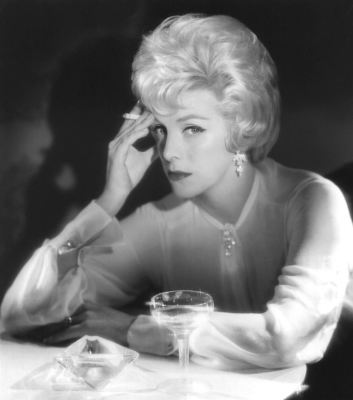
Rosemary Clooney was sitting in a Beverly Hills hotel room when her life came apart.The woman who had sold millions of records, starred in Hollywood films, and become one of America’s most recognizable entertainers was unraveling in front of friends who no longer knew how to help her.The breakdown wasn’t a bad day. It wasn’t exhaustion. By 1968, it had become a full-scale collapse.Just a decade earlier, Rosemary Clooney appeared to have everything.Her 1951 recording of “Come On-a My House” sold more than a million copies and turned her into one of the biggest singers in America.
Then came Hollywood. Then came White Christmas in 1954 alongside Bing Crosby, one of the most successful entertainers on the planet. The film became a holiday classic. Rosemary became a household name.The future looked limitless.Then came the years that wore her down.Her marriage to actor José Ferrer was passionate and turbulent in equal measure—arguments, separations, reconciliations, and two divorces. The emotional weight accumulated year after year.
Meanwhile, the entertainment industry was changing. Rock and roll exploded. New stars arrived. The music business that had made Rosemary famous no longer looked the same. Careers disappeared overnight. Pressure mounted.In 1968, while performing in Reno, Nevada, Clooney suffered a severe nervous breakdown. The collapse was public and impossible to hide. Psychiatric hospitalization followed, along with years of treatment.For a star of her stature, the stigma was enormous. Mental illness was rarely discussed openly in that era. Many entertainers never recovered professionally from such public collapses.Most people assumed Rosemary’s career was finished.
That was the twist.During the 1970s and 1980s, she slowly rebuilt her life and career. Not as the young pop sensation of the 1950s, but as something deeper—a respected jazz vocalist whose life experience had transformed her artistry.Audiences returned. Critics returned. The woman many thought had disappeared forever found her way back.And there was another irony.
Years after her darkest period, a new generation would discover her through a different connection: her nephew, George Clooney.By then, Rosemary’s story had already become something much larger than fame. It had become a story about surviving collapse.The image that lingers isn’t the applause from White Christmas. It’s a woman at the peak of celebrity in 1968, watching her life come apart while the public still believed she was living a dream.Millions knew her voice. Almost nobody knew how close she came to losing everything.
For those who have been through the kind of collapse that happens not in a single dramatic moment but after years of accumulated weight that nobody else could see building—who understand that watching an entire professional identity dissolve at the same moment a personal life is falling apart is a different kind of hard than any single crisis, and who know that rebuilding as something deeper and different from what you were before is sometimes the only rebuild available—this story might feel like recognition. The comeback that took decades and arrived as a jazz vocalist rather than the pop star she had been was still a comeback. Rosemary Clooney’s most enduring legacy turned out to be surviving something that finished most careers of her era.