“50,000 Fans Demanded Michael Keaton Be Fired as Batman Before Filming Even Started… They Were All Wrong”

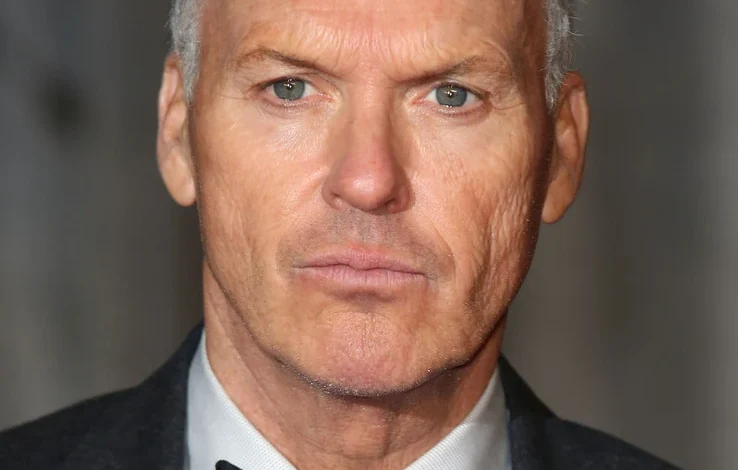
In 1988, fans mailed over 50,000 angry letters to Warner Bros. demanding that Michael Keaton be fired before filming had even begun. Tim Burton refused to recast him. Then Keaton put on the suit, suffered panic attacks inside it, and accidentally created the most iconic Batman in history.When Warner Bros. announced that Michael Keaton would play Batman in 1988, fans lost their minds.There was no social media back then — the outrage was physical. Comic book shops organized protests. Crowds at conventions booed studio executives when they showed Keaton’s photo. To many fans, the actor known for comedies like Mr. Mom and Beetlejuice had no business playing the Dark Knight.The backlash was so intense that it even made The Wall Street Journal. Inside Warner Bros., executives began to panic.
Some called director Tim Burton directly, urging him to replace Keaton before production went any further.Burton wouldn’t budge.He didn’t want a square-jawed action hero. He wanted someone who felt human, broken, and strangely isolated — a man who decided to dress as a bat at night clearly wasn’t at peace with himself. Keaton had exactly that quality.The studio hated the negative attention but was already too deep financially to turn back. So, while headlines mocked the casting and fans demanded Keaton’s firing, the actor quietly went to work.
Then came the Batsuit.It was brutal — thick, heavy rubber that severely restricted movement. Keaton couldn’t turn his head without risking damage to the cowl. He could barely hear inside it. The claustrophobia was so overwhelming that he suffered panic attacks during the first fitting. For a moment, he genuinely feared the movie might fall apart because the costume felt impossible to perform in.But instead of fighting the suit, Keaton adapted to it.Since he couldn’t move naturally, he embraced stillness — slow, deliberate turns, heavy posture, and minimal motion. He lowered his voice to a raspy growl.
The result was a Batman who felt less like a superhero and more like a predator lurking in the shadows — ancient, patient, and slightly terrifying.The limitations of the suit accidentally created the character.Meanwhile, Jack Nicholson was making one of the smartest deals in Hollywood history. Offered $10 million to play the Joker, he took around $6 million upfront in exchange for a percentage of the box office and merchandise. The studio thought they were getting a bargain. Instead, Nicholson reportedly earned between $60 and $90 million from the film.Then Batman hit theaters on June 23, 1989 — and it exploded.It opened with a record-breaking $40 million weekend, shattered box office records, and made over $400 million worldwide. Bat-symbols flooded stores, Prince’s “Batdance” topped the charts, and merchandise flew off the shelves. The film turned Batman into a full-blown cultural phenomenon.And the same fans who had sworn Michael Keaton would ruin the character?
They loved him.The actor everyone had laughed at became one of the most definitive Dark Knights ever. The performance critics had dismissed in advance became the standard by which every future Batman would be judged.More importantly, Burton’s Batman changed the entire genre. Before it, superhero films were seen as colorful, goofy kids’ entertainment. Burton dragged the genre into darkness — trauma, psychological damage, Gothic atmosphere, and moral ambiguity. He proved that superhero stories could be serious, artistic, and powerful.Without Keaton’s Batman, there might never have been Christopher Nolan’s Dark Knight trilogy or the modern superhero cinematic universe we know today.Decades later, when Keaton returned as Batman in 2023’s The Flash, he still delivered. The man fans once tried to get fired before seeing a single frame had been right all along.The 50,000 angry letters were wrong. Tim Burton’s stubborn faith was right. And a painful rubber suit that caused panic