She Wanted to Marry Charles Manson – Then Planned to Put His Dead Body on Display for Cash

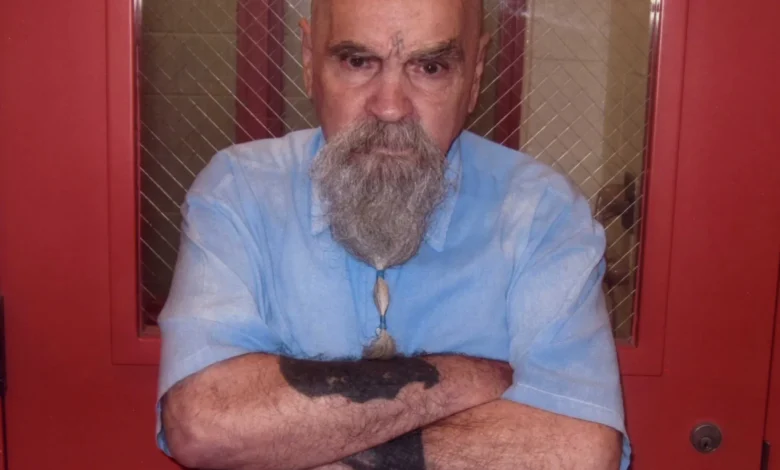
One of the most bizarre and unsettling side stories from the long, dark saga of Charles Manson involves a young woman named Afton Elaine Burton, who became deeply fixated on the infamous cult leader and mass murderer starting at the tender age of 16. Growing up in Illinois, she first encountered Manson’s notorious history—his role as the orchestrator behind the 1969 Tate-LaBianca murders that claimed seven lives, including that of pregnant actress Sharon Tate—and it sparked an intense, years-long obsession. ]
Burton began corresponding with him through regular letters while he was incarcerated for life at Corcoran State Prison in California. Over time, their communication escalated to phone conversations, forging what she described as a genuine emotional bond despite the vast age difference and his confinement.By her early 20s, Burton’s devotion had grown so strong that she made a radical life change: she uprooted herself entirely from the Midwest, packed her belongings, and relocated to the small town of Corcoran, California, solely to be nearer to the prison and facilitate more frequent visits. She adopted the nickname “Star” during this period and even legally changed her name to reflect her new identity tied to Manson. She spent years advocating for his innocence online, maintaining websites dedicated to his case, and positioning herself as one of his most loyal supporters in the free world.In 2014, when Burton was 26 and Manson was 80, the pair took a dramatic step that captured global attention: they obtained an official marriage license from Kings County, issued on November 7. The news spread like wildfire—headlines everywhere marveled at (and often condemned) the idea of a young woman choosing to marry one of America’s most reviled criminals.
Burton insisted her feelings were authentic, rooted in love and a belief in Manson’s misunderstood nature, not fame or notoriety. She claimed they were planning a wedding soon, and under California prison rules, contact visits would have allowed a ceremony without glass barriers separating them.Yet the marriage never took place. The 90-day marriage license quietly expired in early February 2015 without renewal or any ceremony occurring. The real reason emerged shortly after through investigative journalist Daniel Simone, who was co-authoring a book on Manson and had insider sources close to the situation. According to Simone’s revelations (widely reported in outlets like the New York Post and others), Burton and a friend/accomplice named Craig Hammond had allegedly hatched a macabre long-term plan: they intended to marry Manson primarily to secure legal rights to his remains upon his death. Under California law, a spouse would have priority claim over a deceased person’s body.
The scheme reportedly involved embalming or preserving Manson’s corpse and displaying it in a glass crypt or case as a paid tourist attraction—essentially turning his body into a morbid exhibit for profit, similar to historical preserved figures like Lenin.When Manson learned of this alleged plot (which reportedly began forming a couple of years earlier), he was reportedly repulsed and immediately called off any wedding plans. He had no interest in such a fate for his remains, and sources indicated he believed himself “immortal” anyway, rendering the idea pointless and offensive to him. The engagement dissolved, the license lapsed unused, and the couple drifted apart in the ensuing years.Manson ultimately passed away on November 19, 2017, at age 83 while still imprisoned, from natural causes related to colon cancer and respiratory failure.
Burton (now going by Star) was not present at his death, and their once-close connection had faded significantly by then. She did not pursue any claims to his body, which was handled privately per his wishes (cremated, with ashes scattered in a non-public manner).This strange chapter stands as one of the oddest footnotes in the already surreal and disturbing legacy of Charles Manson—a tale of obsessive fandom, crossed intentions, and a proposed posthumous exploitation that even the notorious killer himself rejected. It underscores the extreme lengths some individuals will go in pursuit of connection to infamy, and how such pursuits can unravel in unexpectedly grim ways.