Dandelion Root Kills 95% of Cancer Cells in 48 Hours — And Leaves Healthy Cells Alone?!

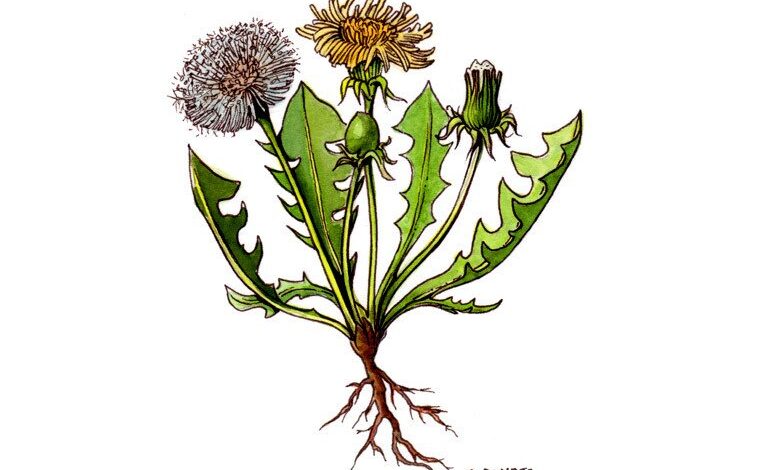
A recent laboratory study has spotlighted the potential anti-cancer properties of dandelion root extract (DRE), turning the spotlight on a plant long dismissed as a common weed. In controlled in-vitro experiments—primarily conducted by researchers at the University of Windsor in Ontario, Canada—the aqueous extract demonstrated striking selectivity: it triggered programmed cell death (apoptosis) in more than 95% of colon cancer cells within just 48 hours of treatment, regardless of the cells’ p53 tumor-suppressor gene status.
Crucially, healthy non-cancerous cells exposed to the same concentrations remained largely unharmed, highlighting a level of targeted action that stands in sharp contrast to many conventional chemotherapy drugs, which often cause widespread damage to normal tissues alongside malignant ones.The 2016 study, published in the journal Oncotarget, showed that DRE activated multiple cell-death signaling pathways simultaneously, leading to rapid and efficient elimination of cancer cells in petri dish models. Follow-up animal research (in mice bearing human colon cancer xenografts) further supported these findings, with oral administration of the extract reducing tumor growth by over 90% without observable toxicity to the animals.
Subsequent investigations have expanded on this, exploring DRE’s effects on other cancer types—including breast, gastric, liver, pancreatic, and leukemia cells—where it has shown abilities to inhibit proliferation, migration, invasion, and metastasis while inducing apoptosis through mechanisms like mitochondrial disruption, caspase activation, downregulation of anti-apoptotic proteins (e.g., Bcl-2), and interference with pathways such as PI3K/Akt, EGFR/AKT1, and TLR4/NFκB.What makes these results particularly intriguing is the extract’s apparent multi-targeted approach: rather than relying on a single mechanism, it appears to disrupt cancer cell survival, energy production, and inflammatory signaling in ways that could complement existing therapies. Some studies have even tested combinations, such as dandelion extract with all-trans retinoic acid (ATRA), showing enhanced cytotoxicity and anti-metastatic effects in breast cancer cell lines.Despite the excitement generated by these preclinical findings—and the fact that Health Canada approved Phase I clinical trials for DRE in hematological cancers as early as 2015—the scientific community remains cautious.
All the dramatic cell-killing data come from lab-based (in-vitro) and animal (in-vivo) models, not human patients. No large-scale, randomized clinical trials in humans have yet confirmed efficacy, optimal dosing, long-term safety, or bioavailability when taken orally. Experts, including oncologists and epidemiologists from institutions like Johns Hopkins and Cancer Research UK, stress that while the results are promising as a starting point for further research, dandelion root is not a proven cancer treatment or cure. Claims suggesting it outperforms chemotherapy or kills cancer in humans within 48 hours are misleading and lack supporting evidence from human studies.
Ongoing research continues to investigate bioactive compounds in dandelion (such as taraxasterol, polysaccharides, and flavonoids) for their roles in cell cycle arrest, antioxidant activity, and anti-inflammatory effects that might indirectly support cancer prevention or adjunct therapy. For now, the humble dandelion root represents an encouraging avenue in natural-product oncology research—one that underscores the value of exploring everyday plants for novel therapeutic leads—but it remains firmly in the realm of preliminary science awaiting rigorous human validation through well-designed clinical trials. Until those results emerge, it offers a glimmer of hope rather than a ready-made solution in the ongoing search for safer, more precise cancer-fighting strategies.