Uncategorized

Everything We Knew About Alzheimer’s Just Got Flipped – It’s Not a Brain Disease After All?
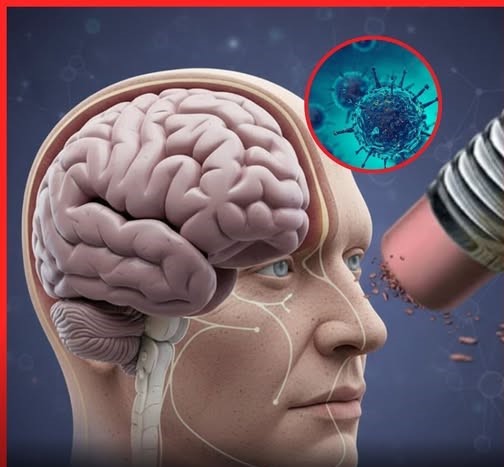
Alzheimer’s disease has long been viewed as a purely brain-centric condition, with decades of research zeroing in on the accumulation of amyloid-beta plaques, tau protein tangles, and the resulting neuronal loss and brain atrophy as the primary culprits. This amyloid hypothesis has dominated the field, guiding most drug development efforts toward clearing these brain-specific deposits or preventing their formation. While these pathological hallmarks remain central to the disease process, a growing wave of groundbreaking research is challenging the idea that Alzheimer’s originates exclusively—or even primarily—in the brain itself.Instead, emerging evidence points to Alzheimer’s as potentially a systemic disorder, where the brain serves as the vulnerable target of broader bodily dysfunctions. Problems originating elsewhere in the body—such as chronic systemic inflammation, immune system dysregulation, disruptions in the gut microbiome, vascular issues, metabolic imbalances, or even peripheral infections—may drive or accelerate the neurodegenerative cascade that ultimately manifests in cognitive decline.
A major focus has been the microbiota-gut-brain axis (MGBA), the bidirectional communication network linking the gastrointestinal tract, its trillions of microbes, and the central nervous system. Multiple studies, including recent ones from institutions like the Medical College of Wisconsin (2026 findings on pro-inflammatory gut bacteria in mild cognitive impairment), Northwestern Medicine (2025 research on gut-derived propionate reducing inflammation and plaques in models), and large-scale reviews in journals like Nature and PMC, show that gut dysbiosis—an imbalance favoring harmful bacteria over beneficial ones—can contribute to Alzheimer’s pathology in several ways:
- Dysbiosis increases intestinal permeability (“leaky gut”), allowing bacterial endotoxins like lipopolysaccharide (LPS) to enter the bloodstream.
- This triggers chronic low-grade systemic inflammation, with elevated cytokines and immune mediators that compromise the blood-brain barrier (BBB), enabling inflammatory signals, toxins, or even immune cells to infiltrate the brain.
- Once inside, these peripheral signals activate microglia (the brain’s immune cells), promoting excessive neuroinflammation, which exacerbates amyloid aggregation, tau hyperphosphorylation, synaptic damage, and neuronal death.
- Gut microbes also produce or influence key metabolites—such as short-chain fatty acids (SCFAs like butyrate and propionate) that are neuroprotective, or harmful amyloids and pro-inflammatory compounds—that can cross into the brain or modulate immune responses remotely.
Supporting this systemic view, human studies have linked altered gut microbiota profiles directly to Alzheimer’s biomarkers: higher levels of pro-inflammatory bacteria correlate with greater amyloid plaque burden on brain imaging, worse cognitive scores, and increased neurovascular dysfunction. Animal models further demonstrate causality—transferring gut microbes from Alzheimer’s patients to germ-free mice can induce AD-like pathologies, while interventions that restore microbial balance (e.g., probiotics, fecal microbiota transplantation, or compounds boosting beneficial bacteria) reduce inflammation, plaques, and cognitive deficits in preclinical models.Beyond the gut, other peripheral factors reinforce the idea of Alzheimer’s as a whole-body condition:
- Vascular health plays a role, as impaired blood vessels and reduced cerebral blood flow (often tied to systemic cardiovascular issues) limit nutrient delivery and waste clearance from the brain.
- Metabolic disorders like insulin resistance (sometimes called “type 3 diabetes” in the brain context) and obesity fuel inflammation and impair brain energy use.
- Immune dysregulation, including potential autoimmune-like responses where the brain’s defenses misfire against its own tissues (as proposed in theories viewing amyloid as an antimicrobial/immune protein gone awry), adds another layer.
If these systemic origins hold up under further scrutiny, the implications for prevention and treatment are profound and potentially transformative. Rather than relying solely on brain-targeted drugs (many of which have faced repeated failures in trials), future strategies could emphasize holistic, body-wide interventions:
- Anti-inflammatory diets (e.g., Mediterranean-style with high fiber to support beneficial gut bacteria).
- Probiotics, prebiotics, or microbiome-modulating therapies to restore gut balance.
- Lifestyle factors like exercise, sleep optimization, and metabolic management to reduce systemic inflammation.
- Early screening for gut dysbiosis or peripheral inflammation markers as risk indicators, potentially allowing intervention years before symptoms appear.
This paradigm shift doesn’t negate the importance of brain pathology but reframes Alzheimer’s as a condition influenced—and perhaps initiated—by the interconnected health of the entire body. It offers renewed hope: by addressing root causes in the periphery, we might slow progression, delay onset, or even prevent the disease in at-risk individuals. For the millions affected worldwide, this evolving perspective underscores a powerful message—complex diseases like Alzheimer’s may have solutions that e