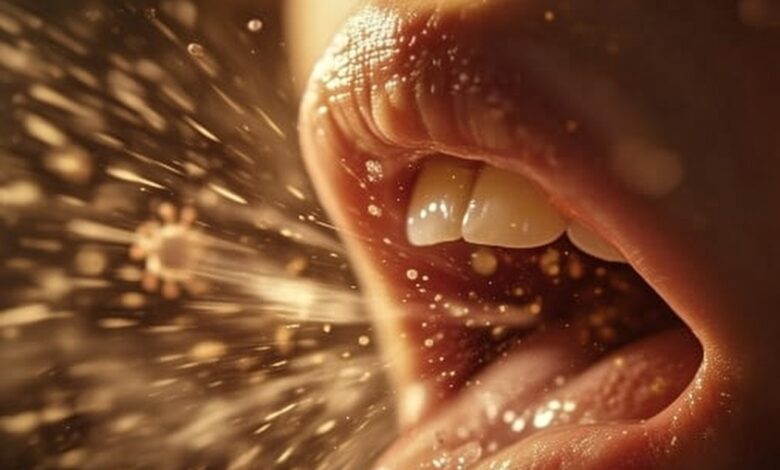
Human saliva does much more than just aid in chewing and swallowing food. Recent research reveals that it contains specialized proteins which have evolved over millions of years to strengthen our defenses against microbes. In contrast to the saliva of many other primates, human saliva features a unique set of protective molecules that actively interfere with bacterial and fungal pathogens, stopping them from causing harm long before infection takes hold. These proteins serve as the mouth’s initial barrier, neutralizing dangerous microbes while helping maintain a healthy balance in the oral microbiome. This, in turn, helps protect against infections not only in the mouth but also further along the digestive system.The study shows that certain saliva proteins in humans have undergone rapid evolutionary changes, indicating they were subject to intense natural selection. These adaptations seem to enhance saliva’s capacity to bind to and disable pathogenic microbes. In the environments where early humans lived—often in dense groups with close contact among individuals and frequent exposure to various animal species—the threat of infection was particularly high. Robust oral defenses like these would have offered a clear survival edge by lowering the overall disease load.Beyond their antimicrobial roles, saliva contributes to digestion and taste sensation, but the rapid evolution of these immune-related proteins underscores the deep connection between physiology and resistance to disease. Exploring these distinctly human adaptations may also inspire new medical approaches, such as designing treatments or preventive measures that imitate these natural defense mechanisms.