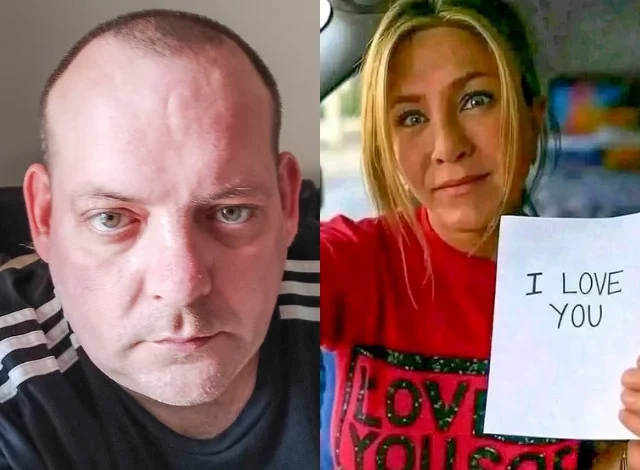
British Man Loses £200 to Sophisticated Deepfake Scam Featuring Fake Jennifer Aniston Professing LoveIn a striking example of how advanced AI technology is being weaponized by scammers, a 43-year-old British man from Southampton was tricked out of £200 after falling for a romantic deepfake scam involving Hollywood star Jennifer Aniston.Paul Davis became the victim of a highly convincing fraud that used artificial intelligence to create realistic videos and messages pretending to be the Friends actress.
The scammers contacted him through social media, sending what appeared to be genuine videos of Aniston. In the clips, the deepfake version of the star called him affectionate names, told him she “loves him,” and even sent a fake image of her California driving licence to build credibility.The manipulation escalated when the fake Jennifer Aniston claimed she needed urgent help paying for her Apple subscription. She asked Paul to send £200 in the form of non-refundable Apple gift cards. Believing the messages were real, Paul transferred the money.“I’ve had fake videos from Jennifer Aniston saying she loves me and asking for £200,” Paul later admitted. “I believed it – and I paid. I got bitten. Once bitten, twice shy.”The entire scam was reportedly created using just a few publicly available photos, voice samples, and free or low-cost AI tools — highlighting how accessible deepfake technology has become for criminals.Paul revealed that he had been bombarded with dozens of scam messages every day for months.
Fraudsters repeatedly posed as various celebrities, claiming he had won large cash prizes or even a Range Rover. He had successfully spotted and ignored many previous fake videos, but the romantic approach using Jennifer Aniston caught him off guard.This is not an isolated incident. Romance scams involving deepfake versions of celebrities have become increasingly common. Victims have reportedly been targeted by fake versions of stars such as Brad Pitt, Keanu Reeves, and Owen Wilson. In one extreme case, a woman lost nearly £700,000 after being scammed by someone impersonating Brad Pitt online.Paul knows the dangers personally — he mentioned that someone he knows lost over £1,000 in similar Apple gift card scams.By speaking out publicly, Paul hopes to raise awareness and prevent others from falling victim to these emotionally manipulative deepfake frauds.
Experts warn that as AI technology improves, such scams will only become more sophisticated and harder to detect.Key safety advice to avoid deepfake and romance scams:Never send money, gift cards, or personal details to someone you’ve only met online. Be extremely suspicious of any celebrity (or anyone) who suddenly declares love or asks for financial help. Verify identities through official channels — real stars do not ask fans for money via direct messages. If something feels too good to be true, it almost certainly is. Paul’s story serves as a sobering reminder of the dark side of rapidly advancing AI and the importance of staying vigilant in the digital world.