Ginger Just Beat Migraine Drugs in Studies – Natural Relief in Minutes Without Side Effects!

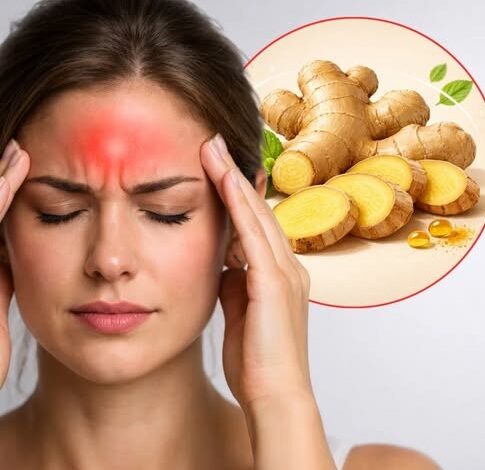
- A 2019 double-blind, placebo-controlled RCT (published in Cephalalgia) tested ginger powder (400 mg, ~5% gingerols) as an add-on to intravenous ketoprofen in acute migraine patients. Those receiving ginger showed significantly better pain reduction and clinical response at 1 hour (p=0.04), 1.5 hours (p=0.01), and 2 hours (p=0.04) post-treatment, alongside improvements in functional status.
- A 2021 meta-analysis of RCTs (in American Journal of Emergency Medicine) pooled data from three trials (total N=227) and found ginger treatment was associated with a higher proportion of patients achieving pain-free status at 2 hours (risk ratio 1.79; 95% CI 1.04–3.09) compared to placebo. It also substantially reduced migraine-associated nausea and vomiting (RR 0.48; 95% CI 0.30–0.77) without increasing adverse events (RR 0.80; 95% CI 0.46–1.41).
- Mechanistic insights point to gingerols and shogaols inhibiting prostaglandin synthesis via COX and LOX pathways (similar to NSAIDs), reducing neurogenic inflammation, blocking pain signaling (e.g., via serotonin receptors or TRPV1 channels), and combating oxidative stress—factors heavily implicated in migraine initiation and progression.
Beyond acute relief, ginger may help shorten attack duration, lessen symptom severity (particularly nausea, photophobia, and throbbing head pain), and improve overall tolerability during episodes. For preventive use, evidence is weaker—one RCT found no benefit over placebo for reducing migraine frequency over months—but acute symptomatic support appears more promising.Ginger is generally well-tolerated with a favorable safety profile at typical doses (e.g., 250–500 mg ginger powder or equivalent extract, or 1–2 grams fresh root), making it an attractive adjunct or alternative for individuals who:
- Experience side effects from triptans, NSAIDs, or other migraine drugs (e.g., gastrointestinal upset, rebound headaches, or cardiovascular risks),
- Prefer natural, over-the-counter options,
- Seek complementary support alongside prescribed therapies.
Common forms include fresh ginger tea (steeped slices or grated root), standardized capsules/extracts (often 5% gingerols), powdered ginger, or even candied ginger for milder nausea relief.That said, individual responses vary widely—ginger works best when taken at the onset of an attack, and it should never replace evidence-based acute or preventive treatments (e.g., triptans, CGRP inhibitors, beta-blockers) in moderate-to-severe, frequent, or disabling migraines. Always consult a healthcare provider before adding ginger supplements, especially if pregnant, on blood thinners, or managing other conditions, as high doses may interact with medications or cause mild heartburn.This low-risk, accessible option—backed by growing clinical evidence—offers many migraine sufferers a simple, natural way to ease symptoms and improve quality of life during attacks.Source/Credit: Key findings from PubMed-indexed RCTs and meta-analyses (e.g., Martins et al., Cephalalgia 2019; Chen & Cai, Am J Emerg Med 2021; Andrade review in J Clin Psychiatry 2021), NCBI Bookshelf on ginger bioactives (Herbal Medicine, 2011 updates), and related mechanistic studies on gingerols/shogaols (PMC articles 2021–2025).