Uncategorized

Russia’s Cancer Vaccine Just Like Sputnik V – But It Trains Your Body to Destroy Tumors! Human Trials Starting NOW
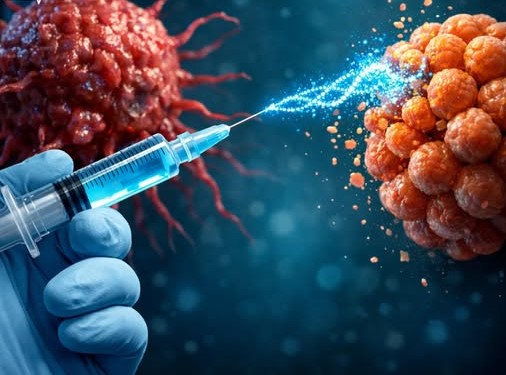
Russian health authorities and researchers are pushing forward with a cutting-edge personalized mRNA cancer vaccine, drawing on the same messenger RNA platform that powered COVID-19 vaccines like Sputnik V. This therapeutic approach is engineered to train a patient’s own immune system to specifically identify and destroy cancer cells by targeting neoantigens—unique mutated proteins—derived from the genetic profile of their individual tumor.The project is spearheaded by the prestigious Gamaleya National Research Center of Epidemiology and Microbiology in Moscow (the institute behind Sputnik V), in close partnership with leading Russian oncology institutions such as the N.N. Blokhin National Medical Research Center of Oncology and the P. Hertsen Moscow Oncology Research Institute. The focus starts with melanoma (a aggressive form of skin cancer) and extends to other solid tumors, including potential adaptations for pancreatic, lung, kidney, and colorectal cancers.Announcements from mid-to-late 2025 (including statements by Gamaleya Director Alexander Gintsburg in September 2025) confirmed that human clinical trials (Phase I) were set to launch imminently—between September and October 2025—following submission of necessary documents to the Russian Ministry of Health and regulatory approvals. Pilot batches of the vaccine (sometimes referred to as “Neooncovac” in related contexts) have already been produced at specialized Gamaleya facilities, with the first patients expected to receive personalized doses at select Moscow-based oncology centers. Patient selection involves tumor biopsy or sequencing to map neoantigens, followed by AI-assisted design of the mRNA construct encoding those targets, which can reportedly be completed rapidly (in as little as one workweek, with AI handling key computations in under an hour).
Preclinical studies in animal models delivered highly promising results: the vaccines demonstrated the ability to suppress tumor growth, reduce or prevent metastasis (spread), and activate a targeted anti-tumor immune response without broadly harming healthy tissues. These findings built strong optimism ahead of human testing.A standout aspect of the initiative is the Russian government’s commitment to accessibility: development, production, and administration are heavily subsidized, with plans to provide the therapy free of charge to eligible patients through the national healthcare system. This aligns with broader state priorities in precision oncology and positions Russia as a leader in fast-tracking AI-integrated, individualized cancer immunotherapies.This effort fits into a global surge in mRNA-based cancer vaccines (similar personalized approaches are advancing in trials by companies like Moderna/Merck with mRNA-4157 for melanoma, or BioNTech), where genetic tumor profiling combined with mRNA delivery aims to create highly specific immunotherapies. While still in early clinical stages—with full efficacy, long-term safety, and broader approval data pending—the Russian program represents an ambitious, domestically driven push toward transforming cancer treatment through personalization.Shared for informational and educational purposes only—this is promising early-phase research, but it remains experimental and should not be interpreted as a proven cure. Always consult oncology specialists for personalized medical advice.Sources/Credits: Gamaleya National Research Center announcements; statements from Alexander Gintsburg (via TASS, RIA Novosti, Xinhua); Russian Ministry of Health approvals; collaborations with Blokhin and Hertsen centers; related coverage in international outlets (e.g., Health Matters, Economic Times, Xinhua, 2025 reports).