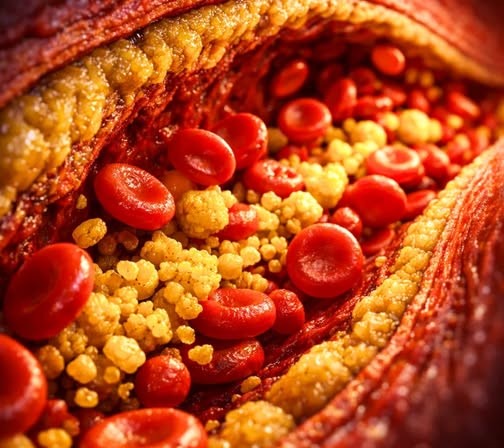
Recent research has brought attention to an intriguing phenomenon: moderately elevated cholesterol levels, particularly LDL cholesterol, appear to be linked with exceptional longevity in certain older adults. This observation, often referred to as the “cholesterol paradox,” directly challenges the long-held medical belief that lower cholesterol is invariably better for health and lifespan, especially when it comes to heart disease prevention.For many decades, LDL cholesterol—commonly dubbed “bad” cholesterol—has been viewed as a major culprit behind cardiovascular problems. Public health recommendations have consistently urged people to aim for the lowest possible levels, with the mantra “lower is always better” guiding treatment strategies like statin use and dietary changes. Yet, investigations into populations known for remarkable longevity are painting a more complex picture.
A prime example comes from studies of long-lived communities, such as those in Sardinia, Italy—a recognized “Blue Zone” where people frequently reach advanced ages in good health. In a recent analysis of nonagenarians (individuals aged 90 and older) from this region, researchers tracked cholesterol profiles and survival outcomes over several years. The findings were striking: participants with moderately higher LDL cholesterol levels (around or above 130 mg/dL) tended to survive significantly longer than those with lower levels. Specifically, those with LDL-C ≥130 mg/dL had an average survival of about 3.82 years during follow-up, compared to roughly 2.79 years for those below 130 mg/dL. Statistical models even showed a roughly 40% reduced risk of mortality in the moderately elevated group, after accounting for other factors.This pattern suggests that, in very advanced age, cholesterol may serve beneficial purposes rather than purely harmful ones. LDL cholesterol contributes to essential functions like supporting immune responses (helping fight infections), aiding in hormone synthesis (including vital steroids), and facilitating cellular repair and membrane integrity. In older individuals, these roles could act as a kind of biological buffer or reserve, potentially enhancing resilience against age-related decline, frailty, or non-cardiovascular threats like infections.Importantly, this does not imply that high cholesterol is harmless or protective for everyone. The benefits appear tied to moderate elevations in late life—not extreme levels—and are observed primarily in those who have already reached old age without major earlier damage. In midlife and younger years, elevated LDL remains a well-established risk factor for atherosclerosis and heart events. Moreover, outcomes depend heavily on a web of other influences: overall metabolic health, chronic inflammation, genetic predispositions (such as favorable gene variants common in long-lived groups), diet, physical activity, and lifestyle habits.
The Sardinian data, along with similar observations in other longevity hotspots and cohort studies of the very elderly, indicate that cholesterol’s impact is age-dependent. What poses a threat during middle age may shift to a neutral or even supportive role in the oldest old. Low cholesterol in advanced years, by contrast, sometimes correlates with frailty, malnutrition, or underlying illness—factors that can shorten life.These insights are prompting experts to reconsider blanket “one-size-fits-all” cholesterol targets. Guidelines might eventually evolve to account for age-specific contexts, emphasizing personalized approaches that weigh an individual’s full health profile rather than fixating solely on numerical thresholds.While more research is needed to fully unravel these mechanisms and confirm causality (ruling out factors like reverse causation or survivor bias), the emerging perspective offers a nuanced view: in the quest for longevity, cholesterol isn’t always the enemy—it may sometimes be an ally, particularly when moderately higher in those who have already defied the odds to reach exceptional old age.