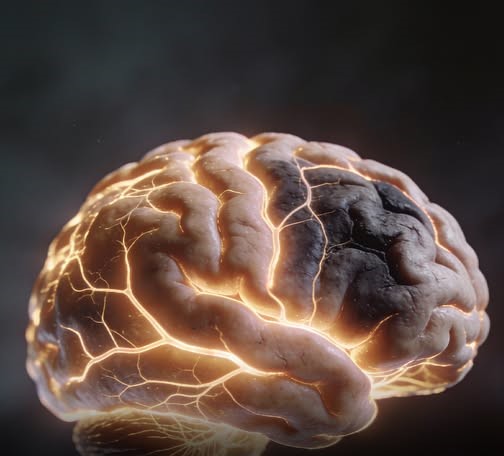
A major and rapidly advancing area of Alzheimer’s research centers on restoring and maintaining proper energy balance within brain cells, with a particular emphasis on replenishing levels of NAD+ (nicotinamide adenine dinucleotide). NAD+ is a vital coenzyme found in every cell of the body, playing a central role in cellular energy production through processes like glycolysis, the citric acid cycle, and oxidative phosphorylation. Beyond energy metabolism, NAD+ is essential for DNA repair mechanisms (via enzymes such as PARPs), regulation of gene expression (through sirtuins), maintenance of mitochondrial function, and protection against oxidative damage.
In both normal aging and especially in Alzheimer’s disease, NAD+ levels undergo a significant and progressive decline. This reduction is now recognized as one of the key drivers of the disease process. When NAD+ becomes depleted, neurons experience severe mitochondrial dysfunction, which impairs their ability to generate ATP efficiently. This energy shortage leads to a cascade of harmful effects: increased production of reactive oxygen species (ROS) causing oxidative stress, chronic neuroinflammation, disrupted calcium homeostasis, impaired synaptic plasticity, and eventual neuronal damage or death. These interconnected problems contribute directly to the metabolic failure observed in Alzheimer’s brains, often detectable even before widespread plaque or tangle formation becomes prominent.Researchers have therefore shifted focus toward strategies that can effectively boost or stabilize NAD+ levels, even after significant pathology has already developed. By restoring NAD+ homeostasis, several experimental approaches in animal models have demonstrated the potential to reverse—not just slow—many of the downstream consequences of the disease. These interventions improve mitochondrial performance, reduce oxidative damage, dampen inflammatory responses, enhance clearance of toxic proteins, promote synaptic repair, and ultimately lead to substantial recovery of memory and cognitive function.
This line of investigation is particularly encouraging because it suggests that certain aspects of Alzheimer’s-related brain damage may not be as permanently irreversible as once thought. Instead, when the fundamental energy-support systems of neurons are repaired and metabolic health is restored, the brain shows a surprising capacity for functional recovery in preclinical studies. While these results remain limited to mouse models and human translation still faces many challenges, they are fueling optimism and guiding the development of novel therapeutic strategies aimed at metabolic rescue and neuronal repair rather than solely targeting amyloid or tau pathology.If you’d like an even more expanded version or additional details on specific studies, just let me know!