Dad and Daughter Vanished Climbing Mt. Hooker, 11 Years Later Their Cliff Camp Is Found… Garrett and Della Beckwith left for their Mount Hooker climbing expedition with enough gear to handle any emergency—except they left their satellite phones sitting in the truck. When the experienced climber and his 19-year-old daughter missed their scheduled check-in, that single detail transformed a routine search into Wyoming\’s most baffling mystery. Eleven years later, two climbers s…

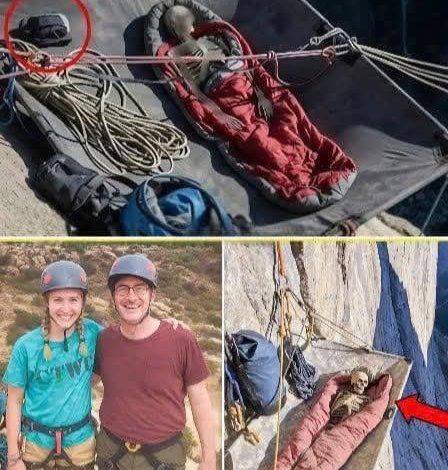
In the summer of 2012, Garrett Beckwith and his 19-year-old daughter Della set out for what should have been another memorable adventure. The climbing enthusiasts headed to Mount Hooker, deep in Wyoming’s Wind River Range, to tackle one of the most formidable peaks in the continental United States.
For Garrett, the trip offered another chance to strengthen their father-daughter bond forged through countless outdoor expeditions. For Della, it meant testing her limits alongside the man who taught her to climb. But their journey into the wilderness would have no return.
**A Mountain That Keeps Its Secrets**
Mount Hooker rises nearly 12,500 feet, its sheer north face demanding days of trekking just to reach the base. The mountain’s extreme isolation, unpredictable weather, and unforgiving terrain leave little margin for error—making it both alluring and deadly for experienced climbers.
Garrett and Della were last seen beginning their ascent. When they failed to return on schedule, family and friends raised the alarm. An intensive search-and-rescue operation deployed helicopters, tracking dogs, and ground crews. Despite weeks of exhaustive effort, not a single trace of them was ever found.
**Theories and Torment**
The absence of evidence has fueled years of speculation. Some believe they fell during the climb, their bodies hidden in deep crevasses or buried under rockfall. Others suggest a sudden storm forced them off course into the vast wilderness. The mountain’s remoteness makes every theory both plausible and impossible to confirm.
For their loved ones, the lack of closure remains its own kind of torment—a wound time cannot easily heal.
**A Legacy of Adventure**
Yet Garrett and Della are remembered not only for how they vanished, but for how they lived—bound by love, adventure, and their shared passion for the wilderness.
More than a decade later, Mount Hooker still towers over the Wind River Range, its granite face unyielding, holding fast to the silence of two climbers who never came home.