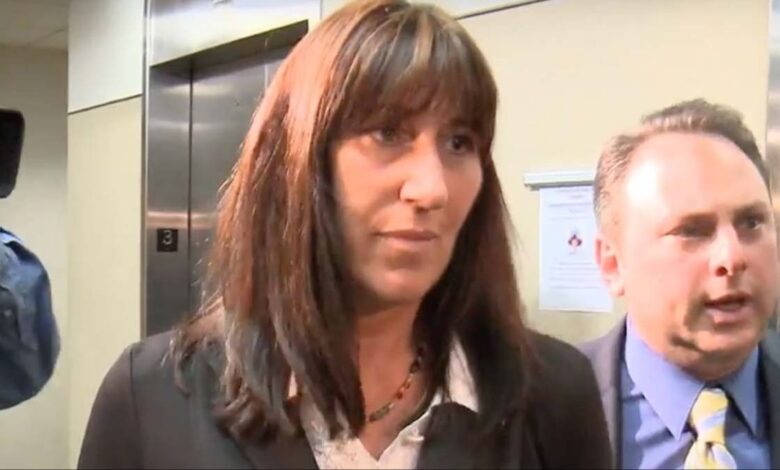
A New York woman named Deborah Stevens (often referred to as Debbie Stevens), a 47-year-old divorced mother of two from Long Island, made headlines in 2012 after claiming she was wrongfully terminated from her job following an extraordinary act of generosity. In August 2011, Stevens underwent major surgery to donate her left kidney as part of a paired kidney exchange chain. Although she was not a direct match for her boss, Jacqueline (Jackie) Brucia—a 61-year-old executive controller at Atlantic Automotive Group—she agreed to donate anyway.
This selfless decision helped move Brucia higher up the national transplant waiting list, ultimately allowing Brucia to receive a compatible kidney from another donor in the chain.Stevens returned to her administrative assistant role at the billion-dollar car dealership company (which operates multiple locations on Long Island) about a month after the procedure. However, she soon began experiencing significant post-surgery complications, including nerve damage in her leg that caused ongoing pain and mobility issues, persistent digestive problems, and serious mental health challenges such as depression and anxiety stemming from the ordeal.According to Stevens and her attorney, Lenard Leeds, the atmosphere at work changed dramatically upon her return. She alleged that Brucia became noticeably cold, distant, dismissive, and even hostile toward her—treating her in ways that felt vicious and ungrateful. Stevens reported being repeatedly criticized and belittled for needing occasional sick days to manage her recovery-related health issues.
After she raised concerns about this mistreatment with the company’s human resources department, she claimed she faced retaliation: she was relocated to a less desirable office space and later transferred to a different dealership location roughly 50 miles away, where she was placed in a role she felt was mismatched with her skills and experience.The situation escalated further when Stevens consulted a psychiatrist for her emotional distress and hired legal representation. Shortly after her lawyers sent a formal complaint to Atlantic Automotive Group in March 2012, the company terminated her employment on April 11, 2012, officially citing “performance issues” as the reason.Stevens filed a discrimination complaint with the New York State Division of Human Rights, arguing that her firing constituted unlawful discrimination based on disability (related to the complications from her organ donation surgery) and retaliation for raising concerns about her treatment. Filing with the state agency was described as a mandatory prerequisite before proceeding to a federal lawsuit against both Brucia personally and the company. Her legal team indicated they planned to seek substantial compensation, potentially in the millions, for lost wages, emotional distress, and other damages.In response, Atlantic Automotive Group issued a public statement strongly denying all allegations. The company described Stevens’ claims as “baseless” and “groundless,” expressing regret that she had chosen to leverage her own generous act of kidney donation to support what they viewed as an unfounded legal action. They insisted that Stevens had been treated fairly, appropriately, and honorably at every stage during and after her medical leave.
The New York State Division of Human Rights later found “probable cause” in October 2012 to support Stevens’ claims of discriminatory practices. The case eventually proceeded through discovery and depositions, culminating in a confidential settlement between the parties in September 2014. No public details were released regarding the terms of the agreement, and neither side admitted liability as part of the resolution.This story continues to circulate widely online—often in viral posts, memes, and social media shares—highlighting themes of ingratitude, workplace retaliation, and the risks sometimes involved in extraordinary acts of kindness toward colleagues or superiors. While the core facts of the donation, the alleged mistreatment, the firing, and the eventual settlement are well-documented from contemporary news reports and court records, interpretations of motive and fault remain disputed between the parties involved.