Kidneys That Last DAYS Instead of Hours? This Crazy Machine Is About to End the Transplant Waiting Game Forever

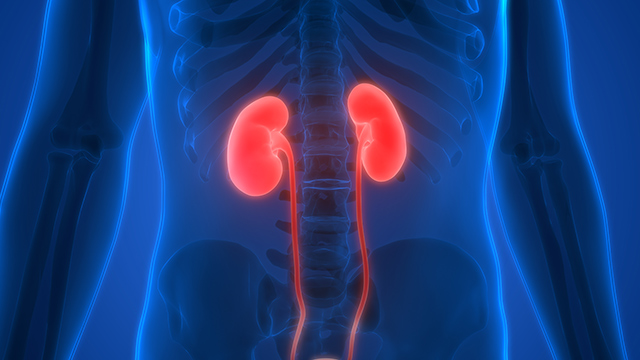
- Continuous oxygen and nutrient delivery: The perfusion device supplies oxygen (often via an oxygenator) and essential substrates, restoring cellular metabolism, ATP production, and energy balance that are severely depleted during cold ischemia.
- The critical “energy cocktail” of metabolites: Recent studies have pinpointed specific supplements—such as intermediates from the tricarboxylic acid (TCA) cycle (e.g., succinate, alpha-ketoglutarate, or other key metabolites)—that act like a resuscitation formula for kidney cells. These help revive damaged tubular cells, restore filtration capacity, boost mitochondrial function, and prevent metabolic collapse or cell death. By addressing the molecular origins of injury (like disrupted energy pathways and oxidative stress), this tailored perfusate enables kidneys to recover function that would otherwise be lost.
- Extended preservation window: Experimental work on discarded human kidneys has demonstrated metabolic and structural preservation for up to 4 days (and in some cases longer, with ongoing perfusion reaching 7–8 days in lab settings). This far exceeds traditional limits and opens the door to multi-day viability.
The extra time isn’t just about logistics—it’s transformative:
- Organs can be transported greater distances without urgency, expanding the donor pool globally.
- Doctors gain precious hours or days to assess kidney quality more accurately (e.g., through real-time function monitoring like urine output, blood flow, and biomarkers).
- Damaged or marginal kidneys (from older donors, those with longer cold ischemia, or other high-risk features) can be actively “reconditioned” or repaired ex vivo—flushing out toxins, reducing inflammation, delivering targeted therapies, or allowing natural recovery processes to kick in—potentially turning previously discarded organs into successful transplants.
This technology addresses the massive mismatch between organ supply and demand. By reducing discards (currently 15–30% of donated kidneys in some regions due to time constraints or perceived poor quality) and improving outcomes for marginal grafts, it could significantly shorten waiting lists and prevent premature deaths among patients with end-stage kidney disease.While challenges remain—such as optimizing perfusate compositions, scaling portable devices for clinical use, ensuring long-term post-transplant success, and navigating regulatory approval—the field is advancing rapidly. Recent publications (including work on cell-free, metabolite-enhanced perfusates and prolonged NMP protocols) highlight that we’re moving closer to routine multi-day preservation. The ultimate goal: make kidney transplantation more elective, equitable, and life-saving, giving hope to countless patients who currently face years on dialysis or no option at all.