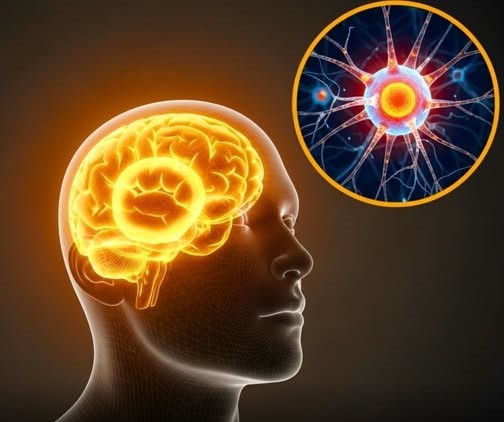
- The prefrontal cortex (involved in executive functions, emotional regulation, decision-making, and empathy)
- The ventral striatum and nucleus accumbens (core components of the brain’s reward and motivation circuitry, releasing dopamine during positive experiences)
- The anterior cingulate cortex (linked to emotional appraisal and conflict monitoring)
- The medial prefrontal cortex (associated with self-referential processing and sustaining positive emotions)
Regular practice—such as daily gratitude journaling, reflecting on three good things each day, or savoring positive moments—strengthens neural pathways tied to reward processing, optimism, and resilience. Over time, this repetition makes positive neural circuits more dominant and efficient, while diminishing the relative strength of pathways linked to negativity, rumination, or threat detection. A classic example comes from studies on gratitude interventions: participants who wrote gratitude letters or maintained journals showed increased and more sustained activation in the medial prefrontal cortex months later, correlating with greater emotional regulation and reduced symptoms of anxiety or depression.This rewiring aligns with Barbara Fredrickson’s broaden-and-build theory of positive emotions: feelings like gratitude, contentment, or love expand awareness (“broaden”), enabling creative problem-solving, better perspective-taking, and resource-building (“build”). Positive emotions counteract the brain’s natural negativity bias—where threats and bad experiences stick more readily (like Velcro) while positives slip away (like Teflon)—by actively countering downward spirals of stress and fostering upward spirals of well-being.Key evidence-based benefits include:
- Enhanced mood and happiness: Consistent positive focus boosts serotonin and dopamine signaling, leading to sustained improvements in life satisfaction.
- Improved resilience and stress management: Strengthened prefrontal-amygdala connections reduce over-reactivity to stressors, helping individuals recover faster from setbacks.
- Better cognitive flexibility and problem-solving: Broader attention to opportunities and solutions sharpens executive functions and reduces fixation on problems.
- Physical health perks: Lower chronic stress from rewired patterns supports immune function, cardiovascular health, and even potential increases in gray matter volume in areas tied to learning and emotion.
- Cumulative, long-term effects: Neuroplastic changes are experience-dependent and build gradually; the more consistently one cultivates positive attention, the more automatic and enduring the shift toward optimism becomes.
Experts in positive psychology, such as Rick Hanson (author of works on positive neuroplasticity), emphasize practical techniques like “taking in the good”: deliberately pausing to notice a positive experience, letting it sink in for 10–30 seconds, and linking it to deeper needs (safety, satisfaction, connection). This intentional savoring helps install lasting inner resources.While the brain doesn’t literally “think” differently overnight, these evidence-based practices prove that thoughts and habits shape neural architecture. By prioritizing the good—through mindfulness, gratitude exercises, positive reflection, or acts of kindness—individuals can reshape thought patterns, elevate baseline happiness, fortify emotional resilience, and foster greater personal growth. This isn’t mere optimism; it’s a scientifically supported strategy for leveraging the brain’s adaptability to cultivate a more positive, balanced, and fulfilling life.