Uncategorized

Scientists Just Hit Ctrl+Z on Brain Aging: This Protein Reboots Old Neural Stem Cells Like They’re Young Again!
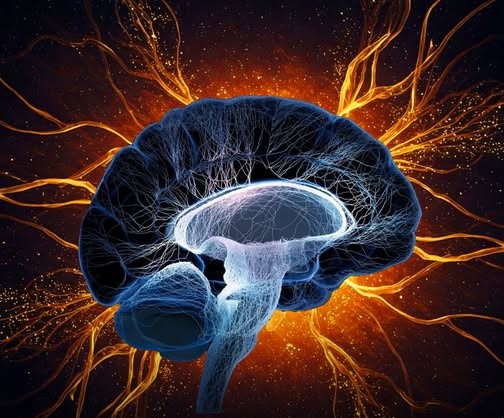
This is like hitting the biological Ctrl+Z on cognitive decline.Researchers have pinpointed DMTF1 (cyclin D-binding myb-like transcription factor 1), a key transcription factor protein that declines in aging neural stem cells (NSCs). When its levels are restored or boosted, these stem cells regain their youthful ability to proliferate, divide, and regenerate—effectively reversing aspects of the age-related loss in brain repair and new neuron production, rather than just slowing the slide.
The breakthrough comes from a study led by researchers at the National University of Singapore (NUS Medicine), published in Science Advances (January 2026). They used human-derived neural stem cells and models mimicking premature aging (driven by telomere dysfunction, a hallmark of cellular aging) to show that DMTF1 acts as a critical regulator. In “aged” NSCs, DMTF1 expression drops significantly, causing proliferation defects. But reactivating or up-regulating DMTF1 alone was enough to rescue this—restoring regenerative capacity through a mechanism involving the SWI/SNF chromatin remodeling complex (via genes like Arid2 and Ss18), which opens up chromatin to activate E2F-driven growth pathways essential for stem cell renewal.This isn’t about broadly rejuvenating the entire brain yet—it’s targeted at neural stem cells in regions like the hippocampus and subventricular zone, where new neurons are generated throughout life. Declining NSC function contributes to reduced neuroplasticity, poorer learning/memory, and increased vulnerability to neurodegenerative conditions in aging.
The findings position DMTF1 as a promising therapeutic target: future strategies could involve drugs or gene therapies to enhance DMTF1 expression/activity, potentially counteracting age-related brain decline, supporting cognitive health, and even improving neuron production in older brains.Shared for informational purposes only—this is exciting early-stage research with huge potential, but human clinical applications are still ahead.Source: Liang Y. et al. (2026). DMTF1 up-regulation rescues proliferation defect of telomere dysfunctional neural stem cells via the SWI/SNF-E2F axis. Science Advances. (Also covered in outlets like ScienceDaily, Phys.org, ScienceAlert, and NUS Medicine news.)