Uncategorized

Experiencing a stroke can trigger intense emotional and physical stress, which can deeply affect the body in unexpected ways—including hair health
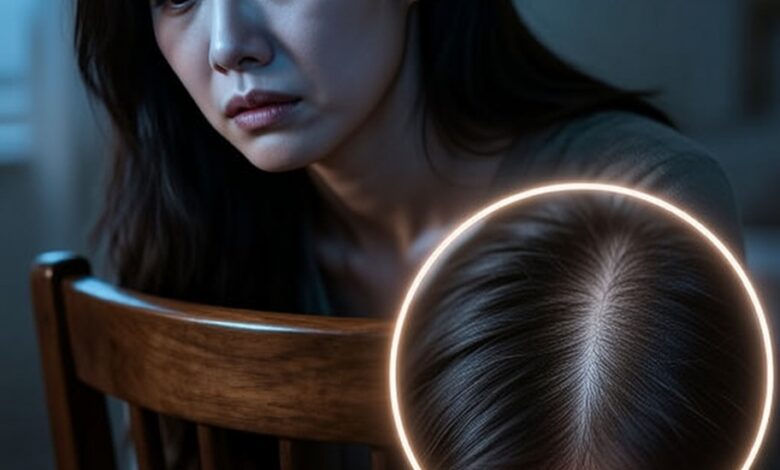
Experiencing a stroke is a profoundly traumatic event for both the body and mind. It often involves intense physical trauma, emotional distress, hospitalization, medications, and significant lifestyle changes—all of which can place immense stress on the system.
This overwhelming stress can disrupt various bodily functions, including the hair growth cycle, leading to noticeable hair loss in some survivors
.Research and clinical observations indicate that hair loss after a stroke is commonly linked to a condition called telogen effluvium (TE).
This is a form of temporary, non-scarring hair shedding triggered by physiological or psychological stressors. In TE, a large number of hair follicles prematurely shift from the active growth phase (anagen) into the resting phase (telogen), causing excessive shedding. Normally, only about 10-15% of scalp hairs are in the telogen phase at any time, but in TE this can rise to 30% or more, resulting in daily hair loss far exceeding the typical 50-100 hairs.The stroke itself—along with associated factors like severe illness, surgery (if involved), high fever, nutritional deficiencies during recovery, or post-stroke emotional challenges—acts as a major “shock” to the body.
Studies and medical sources confirm that major physical trauma, severe infections, or significant emotional stress (including post-traumatic stress) are well-established triggers for TE. While direct studies specifically on stroke and TE are limited, the mechanism aligns closely: the body’s response to such acute stress pushes many hairs into the shedding phase.
.One key aspect is the timing. Hair loss from TE typically doesn’t appear immediately after the triggering event. Instead, it often becomes noticeable 2-4 months later (sometimes up to 3-6 months), as the affected hairs complete their resting phase before falling out.
This delayed onset can make it surprising for stroke survivors who are otherwise improving neurologically.Women tend to report this issue more frequently, possibly due to hormonal factors or greater susceptibility to stress-related hair changes, though it can affect anyone. In some cases, if stress remains ongoing (e.g., chronic anxiety, depression, or repeated health challenges post-stroke), TE can become chronic, leading to repeated cycles of shedding over months or longer.
The good news is that telogen effluvium is usually self-limiting and reversible. In most cases of acute TE:
- Shedding peaks for a few months and then gradually slows.
- New hair growth typically resumes as the body recovers.
- Full or near-full regrowth often occurs within 3-6 months after the shedding begins (or 6-12 months from the initial stressor), though the exact timeline varies by individual.
- Hair may initially regrow finer or lighter in color but usually thickens over time.
Recovery focuses on supporting the body’s natural healing rather than aggressive interventions:
- Stress management is crucial—techniques like mindfulness, therapy (especially for post-stroke PTSD or anxiety), gentle exercise, and social support can help reduce ongoing triggers.
- Nutrition plays a key role: Ensure adequate intake of protein, iron, zinc, biotin, vitamin D, and other essentials. Deficiencies (common after illness or poor appetite during recovery) can prolong TE.
- Gentle hair care—avoid harsh treatments, tight hairstyles, or excessive heat styling to minimize further damage.
- Medical review—Consult a doctor or dermatologist to rule out other causes (e.g., thyroid issues, medication side effects, or unrelated conditions). Blood tests for ferritin, thyroid function, and vitamins are often recommended.
- Topical options like minoxidil may help stimulate regrowth in some people, but use it only under medical guidance, especially with cardiovascular history, as it can affect blood pressure or heart function.
- In rare cases, addressing underlying issues (e.g., optimizing medications or treating depression) speeds improvement.
Overall, patience and holistic recovery are key. The body has an remarkable ability to rebound once the acute stress subsides and overall health stabilizes. Many stroke survivors who experience this find that hair returns to its pre-event state with time and self-care. If hair loss persists beyond 6-12 months, becomes patchy (suggesting other conditions like alopecia areata), or is accompanied by scalp symptoms, seek specialized evaluation from a dermatologist.This is a recognized but often under-discussed aspect of post-stroke recovery—knowing it’s usually temporary can provide reassurance during an already challenging time.