“18-Year-Old Girl Faces Execution in Iran for Burning Regime Flag – Her Defiant Last Words Will Shock You”

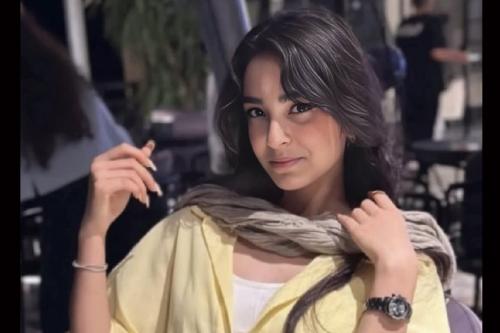
This case involves Melika Azizi, an 18-year-old from Masal in Iran’s Gilan Province, arrested around January 8–9, 2026, during anti-regime protests. She stands accused of burning regime symbols (such as the Islamic Republic flag) and faces the charge of moharebeh (“enmity against God” or “waging war against God”), a capital offense under Iranian law that can carry the death penalty by hanging. themedialine.org Reports from activists, social media campaigns, and some human rights monitoring sources indicate she was violently detained, beaten during arrest or in court, held in Lakan Prison near Rasht (often in solitary confinement), and denied family contact, with her family reportedly under pressure or having distanced themselves. In court, she reportedly told the judge something close to the quote you shared: “You let so many young people bleed.
How can I remain silent? I don’t care. Just kill me.” This defiant statement has gone viral in opposition circles. facebook.com The death sentence appears to have been confirmed or upheld in recent days (around March 21, 2026, coinciding with Nowruz), amid a broader crackdown on renewed protests and following the execution of other demonstrators. As of the latest available information (March 23–24, 2026), she remains at imminent risk of execution but has not been confirmed executed—some unverified social media claims of her death on Nowruz appear premature or unconfirmed by established human rights trackers. themedialine.org Context on Iran’s Use of “Moharebeh”Iranian authorities frequently apply moharebeh and related vague charges (like “corruption on earth”) against protesters, especially those involved in symbolic acts of defiance like burning flags, effigies, or regime images.
This has been a pattern since the 2022 Woman, Life, Freedom uprising and earlier waves, resulting in dozens of executions. International human rights organizations criticize these as tools to suppress dissent, often with limited due process, forced confessions, and no independent judiciary. Recent reports note continued executions of young protesters in early 2026.Public amplification—sharing her story, petitions, and pressure from governments, NGOs, and media—has sometimes delayed or halted executions in similar past cases by increasing international scrutiny.
Hashtags like #StopExecutionsInIran, #MelikaAzizi, and #IranMassacre are circulating widely on platforms like Instagram, X, and Facebook.The situation is fluid and relies heavily on activist reporting, as independent verification inside Iran is extremely difficult due to regime control and blackouts. If you’re looking to support awareness efforts, reputable human rights groups (such as those tracking Iranian political prisoners) are the usual channels for verified updates and advocacy.This reflects the severe repression faced by many young Iranians demanding basic freedoms. Her courage in speaking out, even at personal cost, highlights the human stakes in these protests.