They Survive 122°F Deserts with Almost NO Water—Scientists Just Discovered the ‘Super Gene’ That Makes It Possible (Mind-Blowing!)

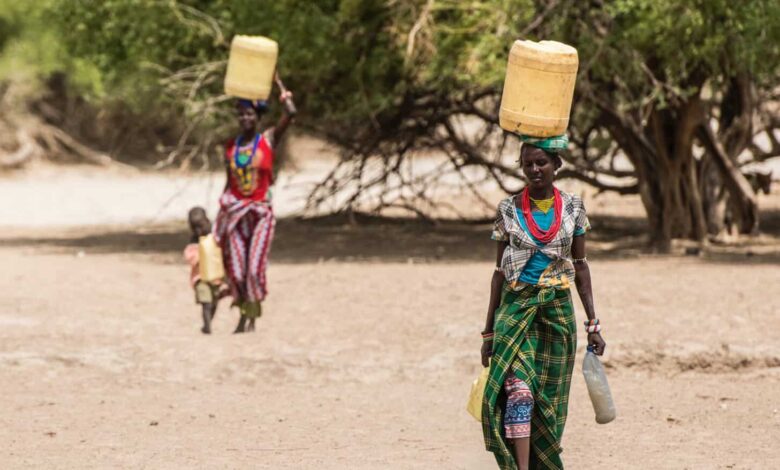
In the arid expanses of northern Kenya, the nomadic Turkana people have thrived for thousands of years in one of the harshest environments on Earth. Living as pastoralists who rely heavily on livestock—primarily goats, camels, and cattle—they endure scorching temperatures that frequently soar to 122°F (50°C), chronic water scarcity, and vast stretches of dry, vegetation-poor land where reliable water sources can be hours or even days away on foot.A groundbreaking genetic study, published in the journal Science in September 2025, has revealed how natural selection has equipped the Turkana with remarkable physiological adaptations to survive these extreme conditions. Researchers, collaborating closely with Turkana communities through the Turkana Health and Genomics Project, sequenced the whole genomes of 367 individuals.
They identified eight genomic regions showing strong signs of recent positive selection—evidence that certain genetic variants have been favored over generations because they conferred survival advantages.The standout discovery centers on the STC1 gene (Stanniocalcin 1), which is expressed primarily in the kidneys. A specific variant near STC1—including a regulatory element—has undergone exceptionally strong and recent selection in the Turkana population (and also appears in the related Daasanach people of East Africa). This adaptation allows the kidneys to respond more effectively to dehydration signals.When the body senses low water levels, it releases antidiuretic hormone (ADH, also known as vasopressin), which instructs the kidneys to conserve water by reabsorbing more fluid back into the bloodstream.
In the Turkana, the enhanced STC1 activity—triggered by ADH—helps produce highly concentrated urine, meaning far less water is lost with each urination. This process dramatically slows dehydration, enabling individuals to function normally even when water intake is minimal and dehydration is chronic (studies showed about 90% of sampled Turkana were dehydrated yet generally healthy).The STC1 variant also appears to offer protection against the high-protein diet typical of the Turkana, which consists largely of milk, meat, and blood—foods rich in purines that generate waste products like urea and uric acid. Without proper adaptations, such a diet could lead to kidney damage or conditions like gout in most populations. In the Turkana, higher serum urea levels linked to the selected STC1 variant suggest the gene helps metabolize and safely handle these byproducts, preventing harm to the kidneys despite the protein-heavy intake and persistent water stress.
This evolutionary fine-tuning likely emerged over the past 5,000 to 8,000 years, coinciding with a period of increasing aridification in northern Kenya and the spread of pastoralist lifestyles in East Africa. The harsh desert environment acted as a powerful selective pressure: those with better water-conserving and waste-processing genetics were more likely to survive, reproduce, and pass on the traits.The Turkana’s story highlights human resilience and the power of natural selection in shaping our biology to match extreme environments. However, researchers note potential “evolutionary mismatch” risks: as some Turkana transition to urban life with more water and different diets, these once-advantageous adaptations could contribute to health challenges in changed conditions.This research not only deepens our understanding of human adaptation but also underscores the value of community-led science in studying populations that have long mastered survival in places where others could not. The Turkana continue to demonstrate how genetics, lifestyle, and environment intertwine to enable life in the face of relentless adversity.