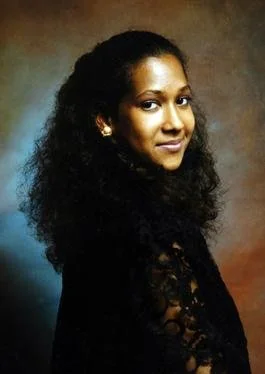
Joyce Carol Vincent was a 38-year-old woman living quietly in a modest bedsit apartment in Wood Green, North London, above a bustling shopping center. On or around December 2003, she is believed to have died alone in her living room, most likely from natural causes—possibly a severe asthma attack, complications related to a recent peptic ulcer, or a combination of factors. The exact cause remains uncertain, as her body was too severely decomposed by the time it was found for a definitive autopsy determination; the coroner ultimately recorded an open verdict.What makes her story profoundly tragic and haunting is how long her death went unnoticed—more than two years. Her skeletal remains weren’t discovered until January 25, 2006, when officials from the Metropolitan Housing Trust (a local housing association) forced entry into the flat to repossess it due to mounting rent arrears.
They found Joyce slumped on the sofa in the living room, the television still flickering (tuned to BBC1, with bills auto-paid through direct debit keeping utilities running), and a small stack of neatly wrapped Christmas presents nearby on the floor—gifts she had purchased and begun wrapping shortly before her passing, likely intended for family or friends.The apartment showed signs of everyday life frozen in time: unopened mail piled high behind the door, dirty dishes stacked in the sink, food in the refrigerator expired since 2003. Despite the grim odor that had occasionally wafted through the building, neighbors attributed it to rubbish bins or other external sources and never suspected anything more sinister inside one of the units. In a densely populated complex full of people coming and going, no one knocked, no one checked in, and no alarm bells rang from friends, family, or authorities.Joyce had once led a vibrant, outgoing life. Born in 1965 to Caribbean immigrant parents (her mother of Indian descent, her father Grenadian), she grew up in west London, worked in various office jobs, dated, socialized, and was described by those who knew her as attractive, charismatic, well-spoken, and full of ambition. She even pursued singing and appeared briefly in music videos.
Yet over the years—following personal hardships, including time in a domestic abuse shelter around 2001–2003—she gradually withdrew. She cut ties with many acquaintances, stopped contacting family regularly, and lived increasingly isolated, even as she maintained the appearance of normalcy.The shocking discovery made headlines worldwide, raising uncomfortable questions about modern urban loneliness, the fragility of social connections, and how someone could vanish from the radar in a connected city. The case inspired filmmaker Carol Morley’s acclaimed 2011 documentary Dreams of a Life, which pieces together Joyce’s story through interviews with ex-boyfriends, colleagues, family members, and acquaintances who remembered her fondly but had lost touch.
The film—featuring actress Zawe Ashton portraying imagined scenes from Joyce’s life—explores themes of isolation, unfulfilled dreams, pride, and the hidden struggles that can lead even a seemingly vibrant person to fade into solitude.More than two decades later, Joyce Carol Vincent’s story continues to resonate as a poignant cautionary tale about the importance of checking in on one another, the dangers of assuming someone is “fine” just because they seem independent, and the quiet epidemic of loneliness that can exist even amid crowds. Her death wasn’t dramatic or criminal—it was ordinary, silent, and heartbreakingly overlooked, a reminder that behind every closed door, someone might be slipping away unnoticed. 18 web pages