Airbnb Host Sent Secret 3:16 AM Photo to His Wife After Bad Review — Now He’s Suing Them Both!

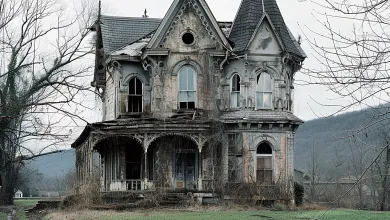
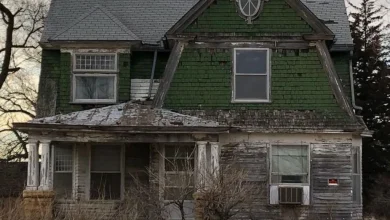
In the summer of 2022, Shawn Mackey, a resident of Mississippi, booked what seemed like the perfect weekend getaway: a charming Airbnb listing called “Little Bit More Country” in Memphis, Tennessee, priced at $567 per night. The property promised a relaxed, country-style retreat ideal for a long-planned reunion with close friends. What unfolded instead became one of the most explosive and widely discussed Airbnb horror stories of recent years, ultimately landing in federal court and raising serious questions about platform accountability, host privacy abuses, and guest rights.Upon arrival, tensions escalated almost immediately. Host Pamela Fohler reportedly began demanding additional fees beyond the agreed booking amount, accused the group of excessive noise despite their claims of keeping things low-key, and threatened to evict them early.
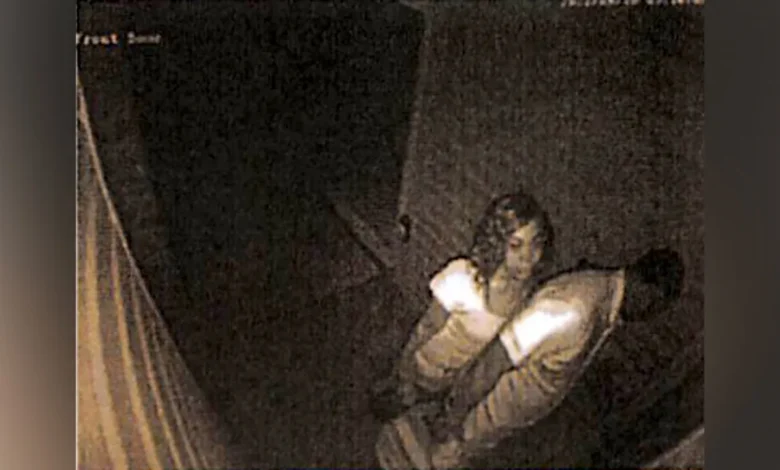
Mackey pushed back, insisting the group had followed house rules. Unwilling to escalate further, he and his friends checked out the following morning—cutting the stay short but leaving peacefully.Like millions of travelers do after a disappointing experience, Mackey left an honest, detailed negative review on the Airbnb platform, outlining the unexpected fees, the abrupt eviction threat, and the overall poor host communication. He expected the review to help future guests make informed decisions. Instead, it triggered what he describes as a calculated campaign of retaliation.According to Mackey’s allegations, Fohler—reportedly concerned that the negative feedback would jeopardize her coveted Superhost status (which requires high ratings and minimal complaints)—took extreme steps to silence him. Airbnb, in a move that stunned Mackey, removed his review entirely, temporarily suspended his account, and then hit him with an unexpected $960 charge on his linked payment method. The breakdown included a bizarre $300 fee explicitly labeled as “moderation of your review.” Mackey refused to pay, viewing it as unjust punishment for exercising his right to honest feedback.The situation darkened dramatically from there. Fohler allegedly accessed footage from the property’s security cameras—devices intended solely for safety and property protection—and singled out a still image captured at 3:16 a.m. showing Mackey standing outside with a woman who was not his wife. Using a burner email account to conceal her identity, she reportedly forwarded the incriminating photo directly to Mackey’s wife, Teresa, at her workplace email address. Before sending it, Fohler is said to have texted Mackey a chilling warning: “Photo at 3:16 AM is especially notable. Should I forward the photos and videos to Teresa, or will you?”The impact was immediate and devastating. Mackey’s marriage suffered severe strain, trust was shattered, and the personal fallout extended far beyond the original booking dispute.
Feeling cornered and violated, Mackey fought back legally. In a detailed 22-page federal lawsuit filed in U.S. District Court, he named both Pamela Fohler and Airbnb, Inc. as defendants, accusing them of:Extortion and blackmail Invasion of privacy Intentional infliction of emotional distress Breach of contract and unfair business practices (against Airbnb) Misuse of surveillance footage for personal vendettas Fohler has vehemently denied ever contacting Mackey’s wife or sending the photo, claiming any such allegations are false. Airbnb, for its part, has maintained that it followed standard policies for review moderation and fee enforcement, while emphasizing that hosts are prohibited from retaliating against guests.The case has ignited fierce debate online and in travel communities. Security cameras at short-term rentals are marketed as tools to deter theft, vandalism, or rule-breaking—not as leverage for settling personal scores or punishing bad reviews.
Legal experts note that if proven, Fohler’s alleged actions could constitute criminal harassment or extortion in many jurisdictions, while Airbnb’s role in removing the review, suspending the account, and imposing fees raises broader questions about platform bias toward hosts, transparency in moderation decisions, and guest protections.Shawn Mackey’s lawsuit could set important precedents for how Airbnb handles host-guest conflicts, the permissible use of on-property surveillance, and the consequences when private footage is weaponized. What began as a routine weekend booking has evolved into a high-stakes battle over privacy, revenge, corporate responsibility, and the dark side of the sharing economy—proving once again that sometimes the scariest part of an Airbnb stay isn’t the property itself, but what happens after you leave.