Here’s a longer, more detailed version of the text in English (expanded with extra context, reactions, and flair while keeping the original cheeky vibe intact):A cheeky TikTok straight out of 2026 has completely blown up online, racking up massive views after a bold young woman spilled the tea on her most outrageous “how I paid for dinner” story yet. In the now-viral video, she kicks things off with a seemingly innocent clip of a romantic restaurant date: her and her totally clueless boyfriend cozied up at a candlelit table, big smiles, arms around each other, steaming plates of creamy pasta carbonara, garlic bread, and full glasses of red wine staring back at the camera. The on-screen caption hits with perfect irony: “We have no money for dinner…”Then comes the savage plot twist. The video abruptly cuts to a steamy bathroom mirror selfie inside the restaurant. There she is—hair slightly tousled, makeup smudged with mascara streaks for dramatic effect, tongue out in that classic exaggerated “just got done” pose—standing right next to a middle-aged businessman in a crisp navy button-up shirt. He’s casually fixing his collar, looking sweaty, smug, and very pleased with himself. In her cheeky voiceover, she drops the bombshell: “So yeah… he paid for our whole meal. Boyfriend had zero clue.”
She goes on to narrate the full play-by-play: They showed up broke, barely scraping together enough for appetizers, but spotted this well-dressed, generous-looking solo diner at a nearby table. She made her move—slipped away “to the bathroom,” struck up a quick, discreet deal with the stranger, “handled business” in record time, and boom—minutes later, the businessman quietly settled their entire tab without saying a single word to the boyfriend. The couple finished their gourmet feast, laughed, sipped wine, and walked out stuffed and satisfied, while he stayed none the wiser.
Whether the whole thing was real, staged for clout, or somewhere in between, it didn’t matter—the internet ate it up. The clip exploded to over 18 million views in just 48 hours, flooding comment sections with a wild mix of reactions: “Iconic hustle queen ,” “This is next-level main character energy,” “Girlboss behavior unlocked,” and plenty of “That’s actually diabolical ” or “Poor boyfriend, but lowkey respect the grind.” Some called it empowering modern dating survival tactics; others labeled it straight-up savage or unethical. Either way, it turned a broke night into a free five-star experience and became the ultimate 2026 flex—proof that sometimes the boldest moves win the biggest rewards. The story keeps spreading like wildfire across TikTok, Twitter, and beyond, leaving everyone shocked, laughing, and low-key taking notes.
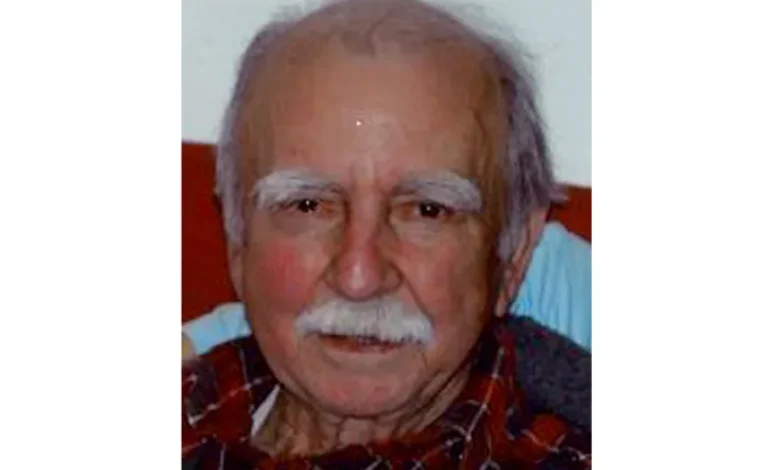
Here’s a longer, more detailed and engaging version of the text in English, expanded with additional background, personal anecdotes, investing philosophy details, community reactions, and lasting impact while keeping the core content and facts unchanged:In the quaint, close-knit community of Brattleboro, Vermont—a picturesque New England town nestled along the Connecticut River—Ronald Read was universally recognized as the epitome of understated humility. To neighbors, coworkers, and locals alike, he was simply the quiet gentleman in a faded flannel shirt, always polite, soft-spoken, and content with the simple rhythms of small-town life. Born on October 23, 1921, in nearby Dummerston to a struggling farming family, Read overcame early hardships: he was the first in his household to finish high school (often walking or hitchhiking miles in harsh weather), served proudly in the U.S. Army during World War II as a military policeman across North Africa, Italy, and the Pacific theaters, and returned to settle permanently in Brattleboro. There, he married a woman with two children from a prior marriage, embraced his stepfamily, and built a life grounded in hard work, frugality, and quiet dignity.
For most of his adult years, Read held unremarkable, low-paying blue-collar jobs that required long hours and physical labor but offered little glamour or financial reward. He spent roughly 25 years as a gas station attendant and mechanic, pumping fuel, changing tires, and performing routine repairs in all kinds of weather. After a short retirement, he returned to work part-time as a janitor at the local JCPenney department store, where he swept floors, cleaned displays, restocked shelves, and maintained the building for another 17 years until retiring in 1997 at age 76. His lifestyle matched his modest earnings perfectly: he drove older, reliable used cars (his last being a no-frills 2007 Toyota Yaris valued at just $5,000), heated his home by chopping and burning his own firewood, wore the same patched-up coat secured with safety pins for years, and stuck to simple routines like enjoying a basic breakfast of an English muffin with peanut butter and a cup of coffee at the Brattleboro Memorial Hospital café—always at the same counter stool—where staff came to know him as a friendly regular.Nothing in Ronald Read’s appearance or habits ever hinted at hidden riches. He lived far below his means, avoided debt, saved diligently from every paycheck, and never indulged in luxuries. Friends and even his stepchildren later admitted they had no clue about his financial success; his frugality was so genuine that some once mistook him for struggling or even homeless.
Then, on June 2, 2014, Ronald Read passed away peacefully at the age of 92. The revelation that followed shocked the entire town and quickly made national headlines. When his estate was probated, executors uncovered a meticulously managed investment portfolio—stored as physical stock certificates in a safe-deposit box—valued at nearly $8 million. This fortune had been built without any lottery winnings, entrepreneurial ventures, inheritances, or high-risk gambles. Read had achieved it through decades of consistent saving, extreme discipline, and patient, long-term investing in high-quality, dividend-paying blue-chip companies he thoroughly understood and believed in. He favored familiar, stable names like Procter & Gamble, Johnson & Johnson, Colgate-Palmolive, Wells Fargo, JPMorgan Chase, General Electric, CVS, Dow Chemical, J.M. Smucker, and others—avoiding speculative tech stocks or anything outside his knowledge circle. His strategy was classic buy-and-hold: purchase shares of solid businesses, reinvest dividends religiously, diversify across dozens of holdings (he owned stakes in at least 95 companies at the end), and let the magic of compound growth multiply his money over nearly seven decades.
The true beauty of Read’s story emerged in his final, selfless act. Rather than hoarding his wealth or passing it primarily to distant heirs, he chose to give back generously to the community that had shaped him. He bequeathed approximately $4.8 million to Brattleboro Memorial Hospital—where he had enjoyed his daily coffee ritual for years—and $1.2 million to the Brooks Memorial Library, the town’s beloved public resource. These were, by a wide margin, the largest single donations either institution had ever received in their histories. The hospital directed the funds toward essential infrastructure improvements, equipment upgrades, and modernizing patient care facilities. The library, which previously operated on a tight $600,000 annual budget and endowment, invested much of the gift to generate sustainable ongoing income; it extended operating hours, renovated its aging building (some parts over 50 years old), enhanced children’s programs, and strengthened services for residents—especially those from modest backgrounds like Read himself had known.Read also thoughtfully provided smaller bequests to his stepchildren, longtime caregivers, close friends, and even donated a historic phonograph along with a collection of drums to the local historical society in Dummerston.When the news broke in early 2015, it sparked widespread media coverage—from CNN and CNBC to The New York Times and local outlets—turning Ronald Read into an inspiring symbol of quiet success. People marveled at how a man who appeared to have so little had quietly amassed so much and then given it away so generously. His legacy endures as a powerful testament to the virtues of patience, discipline, humility, and long-term thinking in an era often dominated by flash and instant gratification. Wealth, his life proves, can grow silently and profoundly through consistent small actions over time—and true generosity often leaves the deepest mark long after the giver is gone. Ronald Read didn’t just build a fortune; he built a lasting gift for his town, reminding us all that the most extraordinary lives are sometimes lived in the most ordinary ways.