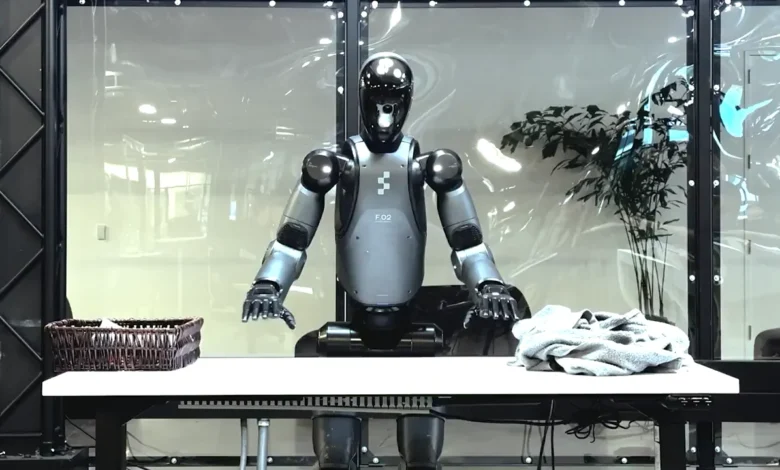
The internet is exploding with excitement—and a fair share of skepticism—after a slick promotional video of the NEO humanoid robot from 1X Technologies went massively viral, showing the sleek, human-like machine tackling everyday household chores with impressive (if sometimes awkward) dexterity. In the footage, NEO folds laundry, organizes shelves, vacuums floors, puts away groceries, loads the dishwasher, waters plants, and even answers the door or fetches items on command, all while moving with a deliberate, almost eerie grace that blurs the line between sci-fi fantasy and near-future reality.
Developed by Palo Alto-based 1X Technologies, NEO is pitched as the world’s first consumer-ready humanoid robot specifically designed for home use—not factories or labs, but actual living rooms and kitchens. Standing around 5’6″ tall with a soft, approachable exterior, it boasts advanced hardware for human-level dexterity in its hands and arms, combined with AI that allows it to understand verbal commands, learn from interactions, and improve over time through software updates. Owners can schedule chore lists (e.g., “tidy the house every Tuesday” or “water the plants on Thursdays”), give real-time instructions via voice or app, or let NEO handle tasks autonomously while they relax or work. The company emphasizes safety features to prevent any rogue behavior, and it positions NEO as a helpful companion that frees people up for what truly matters—family, hobbies, or rest.
Pre-orders opened in late 2025 with a price tag of about $20,000 upfront (or roughly $500/month on a subscription plan), with deliveries slated to begin in 2026. The viral clip has racked up millions of views across platforms like YouTube, TikTok, Instagram, and X, fueling trending discussions around keywords such as AI technology, robotics innovation, smart home helpers, futuristic gadgets, and humanoid companions.Experts in robotics and AI see NEO as a significant step toward mainstream household automation. It could transform mundane drudgery into effortless background processes, boost efficiency in busy homes, assist with elder care by handling repetitive physical tasks, and even provide companionship through natural conversation powered by large language models. Proponents argue this kind of tech could reduce burnout from endless chores and open doors to more creative, fulfilling human activities.