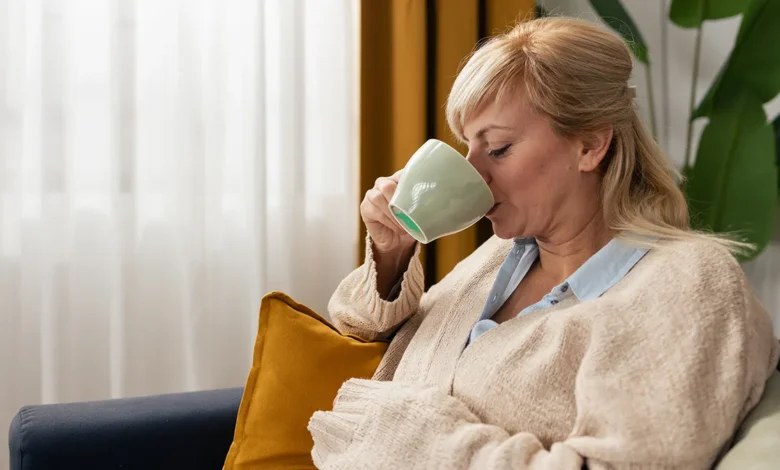
A new study is shedding light on an intriguing everyday choice that might quietly influence bone health in older women: whether they reach for tea or coffee as their go-to hot drink. Osteoporosis, the progressive condition that weakens bones and dramatically increases fracture risk, affects millions of postmenopausal women worldwide. While major risk factors like age, genetics, low calcium/vitamin D intake, sedentary lifestyle, and smoking are well known, researchers are increasingly examining subtler dietary patterns—including long-term beverage habits—for potential protective or detrimental effects.The recent analysis drew on extensive longitudinal data from a large cohort of older women tracked over many years. Researchers specifically compared habitual consumers of tea versus coffee (and those with low intake of either) in relation to key bone health markers: bone mineral density (BMD) measurements at sites such as the hip, spine, and forearm, as well as documented fracture incidence over the follow-up period.The findings revealed consistent, albeit modest, differences. Women who reported drinking tea as their primary hot beverage tended to maintain slightly higher BMD levels compared to those who predominantly drank coffee or consumed very little of either drink. Over time, the tea-preferring group also experienced a modestly lower rate of osteoporotic fractures—particularly hip and vertebral breaks—suggesting that the observed bone density advantage may translate into meaningful real-world protection against breaks.
What might explain this pattern? Tea—especially green, black, and oolong varieties—is rich in bioactive compounds, most notably flavonoids (including catechins, theaflavins, and quercetin derivatives). These plant polyphenols possess potent antioxidant and anti-inflammatory properties. Lab and animal studies have shown that flavonoids can:Inhibit osteoclast activity (the cells that break down bone tissue) Promote osteoblast function (the cells responsible for building new bone) Reduce oxidative stress in bone cells Modulate signaling pathways involved in bone remodeling
In contrast, the study did not identify a strong protective or harmful association between regular coffee consumption and bone density or fracture risk in this population. Coffee does contain some beneficial polyphenols and antioxidants, but its higher caffeine content has long raised concerns in bone research. Excessive caffeine intake (typically >300–400 mg/day, equivalent to 3–4 strong cups) can modestly increase urinary calcium excretion and potentially interfere with calcium absorption—effects that become more pronounced when dietary calcium is already low. However, in moderate amounts and with adequate calcium intake, most modern analyses—including this one—find no clear net detriment from coffee for bone health in older women.
mportantly, the researchers stressed that these are observational associations, not proof of direct causation. Tea drinkers in the cohort may differ in other unmeasured ways (e.g., overall healthier diets, higher physical activity, lower smoking rates, or different socioeconomic factors) that also support bone health. The differences in BMD and fracture risk, while statistically significant, were relatively small in magnitude.Still, the results add nuance to the ongoing conversation about lifestyle choices and skeletal longevity. For women concerned about osteoporosis prevention, regularly choosing tea over coffee could represent one simple, enjoyable swap that—when combined with proven strategies—contributes positively to long-term bone strength. Those strategies remain the foundation:Adequate daily calcium (1,200 mg from food and supplements if needed) and vitamin D Regular weight-bearing and resistance exercise Maintaining a healthy body weight (neither too low nor excessively high) Avoiding smoking and limiting alcohol Getting routine bone density screenings as recommended In short, while no single beverage is a magic bullet for bone health, this study suggests that a lifelong preference for tea might offer a small but meaningful edge in the lifelong battle against osteoporosis—making that morning or afternoon cup not just comforting, but potentially protective as well.