“This Simple Daily Habit Literally Rewires Your Brain for Happiness – Science Proves It!”

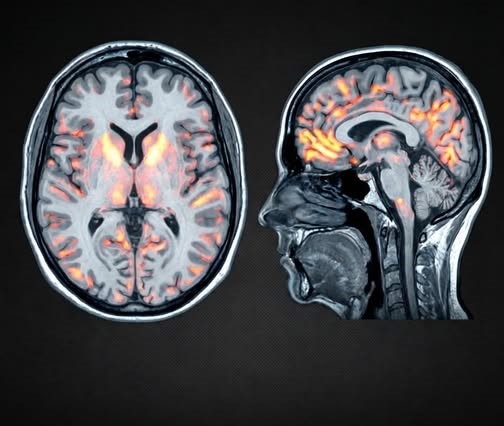
- The medial prefrontal cortex (mPFC), which plays a central role in emotional regulation, decision-making, empathy, and managing negative emotions like guilt or shame.
- The anterior cingulate cortex (ACC), involved in attention, motivation, and processing rewards.
- The ventral striatum and other parts of the limbic system, including the hypothamus, which influence mood, hormone balance, and the shift from threat-focused thinking to opportunity-focused awareness.
Over weeks or months of dedicated practice, these repeated activations lead to structural and functional changes. Research has linked higher gratitude levels to increased gray matter volume in relevant brain areas—indicating more neural tissue dedicated to positive processing—and stronger synaptic connections in circuits tied to optimism, resilience, and emotional balance. Essentially, the brain begins to “rewire” itself: pathways associated with negativity and rumination weaken, while those supporting positivity, gratitude, and adaptive thinking grow stronger and more automatic.This shift is particularly powerful because the human brain evolved with a natural negativity bias—it scans constantly for threats to ensure survival. Gratitude counters this wiring by training the mind to actively seek out and notice positive elements in the environment. Instead of defaulting to survival mode (anxiety, vigilance, stress), the brain gradually adopts a “growth” or “approach” mode, making it easier to spot opportunities, build relationships, recover from setbacks, and maintain emotional equilibrium even during tough times.Studies support these effects across various methods: gratitude journaling, meditation focused on thankfulness, or even brief daily reflections. Participants who practice consistently report not only short-term mood boosts but also longer-lasting improvements in mental health, reduced symptoms of anxiety and depression, better sleep, enhanced social bonds, and greater overall life satisfaction—all rooted in these neurobiological shifts.In essence, gratitude isn’t just a mindset tool; it’s a proven, science-backed way to reshape your brain’s architecture for lasting well-being. By making thankfulness a habit, you’re literally training your neural networks to prioritize joy, connection, and resilience—turning a simple daily act into one of the most effective, accessible ways to foster profound, permanent positive change in how your brain operates.
17 web pages