Uncategorized

The Brady Bunch Bombshell: How a Flop Show Became a Cultural Icon – And What Marcia Brady REALLY Went Through!
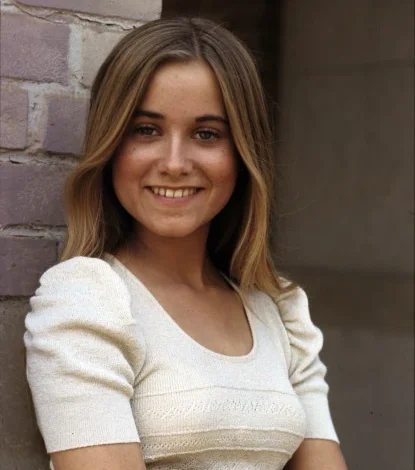
Although the series struggled to attract massive viewership during its original primetime run on ABC from 1969 to 1974, it gradually transformed into one of the most enduring and beloved sitcoms in television history thanks to the power of syndication. Reruns in the late 1970s and throughout the 1980s introduced the show to entirely new generations, turning it into a cultural phenomenon that continues to resonate decades later. This widespread popularity paved the way for an impressive array of spin-offs—including The Brady Bunch Hour (a short-lived variety show), The Brady Brides, The Bradys (a dramatic revival), and animated series like The Brady Kids—as well as numerous made-for-TV movies such as A Very Brady Christmas (1988), The Brady Bunch in the White House (2002), and several reunion specials that brought the original cast back together for nostalgic celebrations.
Behind the scenes, the tight-knit relationships among the cast members were genuine and profound, creating an authentic warmth and family-like dynamic that translated effortlessly to the screen and endeared the show to audiences worldwide. The six young actors who played the Brady children—Barry Williams (Greg), Maureen McCormick (Marcia), Christopher Knight (Peter), Eve Plumb (Jan), Mike Lookinland (Bobby), and Susan Olsen (Cindy)—along with Florence Henderson (Carol), Robert Reed (Mike), and Ann B. Davis (Alice)—developed lifelong friendships that endured through triumphs, challenges, and the passage of time. Cast members have frequently shared fond memories of on-set antics, youthful pranks (such as sneaking food onto the set or playful rivalries between the “boys” and “girls”), and the effortless chemistry that grew organically during long filming days, contributing significantly to the show’s wholesome, feel-good appeal.
Several iconic moments and behind-the-scenes stories from the production have since become legendary pieces of television folklore. These include everything from the famous “Marcia, Marcia, Marcia” line to the construction of the iconic Brady house set (which was actually a facade on the Paramount lot), the memorable episodes involving Davy Jones of The Monkees or the infamous Hawaiian tiki idol curse storyline, and countless anecdotes about the cast’s real-life camaraderie. In interviews, reunions, and memoirs over the years, the actors have openly reflected on those formative experiences, highlighting both the joy of working together and the unique pressures they faced as child and teen stars.Maureen McCormick, who brought the perfect, popular eldest daughter Marcia Brady to life, has been particularly candid about the personal struggles she encountered in the years following the show’s conclusion. In her 2008 memoir Here’s the Story: Surviving Marcia Brady and Finding My Voice, as well as in numerous interviews and public appearances, she detailed her battles with depression, anxiety, body image issues, and substance abuse—challenges that intensified in the shadow of the show’s wholesome image and the unrealistic expectations placed on young performers during that era. Her willingness to speak openly about these difficulties has helped humanize the often-glamorized world of 1970s television stardom, shedding light on the mental health toll that fame and typecasting can take on child actors and offering inspiration and solidarity to others facing similar struggles.
Through it all, The Brady Bunch remains a timeless symbol of blended-family optimism, sibling dynamics, and feel-good storytelling. Its lasting success in syndication, the enduring affection from fans, the cast’s real-life bonds, and the honest reflections on both the highs and lows of their experiences have cemented its place as more than just a sitcom—it’s a cultural touchstone that continues to entertain, comfort, and spark conversation across generations.