Uncategorized

The Hidden Gene That Could Doom Your Heart AND Your Brain – New Study Shocks Scientists
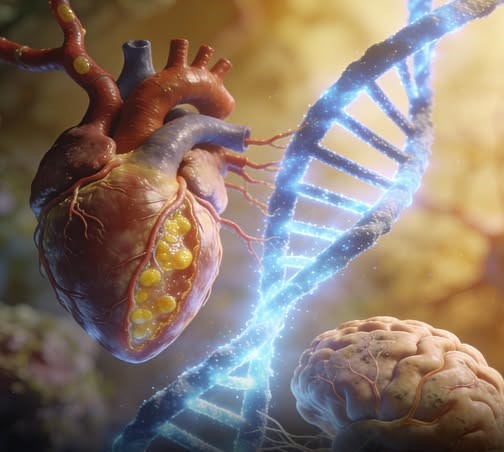
Recent research has revealed intriguing connections between genetics, cardiovascular disease (CVD), and dementia, showing that certain shared genetic factors can heighten the risk for both heart problems and later-life cognitive decline. Scientists have long recognized a link between poor heart health and accelerated brain aging, but newer studies dig deeper by pinpointing overlapping genetic patterns that influence key biological processes.These common genetic variations appear to impact critical systems, including the maintenance of blood vessel health, the body’s management of cholesterol and lipids, and the immune system’s response to inflammation or stress. When these mechanisms are genetically compromised, they can trigger a chain reaction that harms both the cardiovascular system and the brain over time.
For instance, individuals carrying these genetic risk variants often experience progressive changes in vascular function. Blood vessels may lose flexibility and become stiffer (a condition known as arterial stiffness), making them more susceptible to damage and plaque accumulation. This affects not only the coronary arteries supplying the heart but also the carotid arteries and smaller vessels feeding the brain. Reduced elasticity impairs efficient blood flow, limiting the steady delivery of oxygen and essential nutrients to brain tissue.Over years or decades, this chronic hypoperfusion—combined with repeated micro-injuries from turbulent flow or minor blockages—promotes harmful changes in the brain. These include the gradual buildup of toxic protein aggregates (such as amyloid plaques and tau tangles in some forms of dementia), persistent low-grade inflammation, and damage to white matter tracts that connect different brain regions. Such processes are hallmarks of vascular contributions to cognitive impairment and dementia (VCID), as well as overlapping features in Alzheimer’s disease and other dementias.
Studies from recent years, including large-scale analyses of genetic polygenic risk scores for coronary artery disease (CAD), have confirmed that people with elevated genetic predisposition to heart disease face a modestly increased long-term risk of all-cause dementia—particularly vascular dementia, with somewhat weaker ties to pure Alzheimer’s pathology. For example, higher genetic risk for CAD has been linked to greater white matter hyperintensities on brain imaging (a marker of small vessel disease) and up to 70% higher odds of vascular dementia when combined with poor lifestyle factors.Importantly, these genetic influences highlight why cardiovascular health is so closely tied to brain resilience. While we cannot alter our inherited DNA, the findings strongly reinforce the value of proactive steps to protect vascular and immune function throughout adulthood. Key strategies include:
- Maintaining healthy blood pressure levels
- Managing cholesterol through diet, exercise, and medication when needed
- Controlling inflammation via balanced nutrition and stress reduction
- Avoiding smoking, staying physically active, and following heart-healthy habits (such as those in the American Heart Association’s Life’s Essential 8)
Adopting these lifestyle measures can significantly mitigate risks, even for those with higher genetic susceptibility. In some populations, like people with Type 2 diabetes who carry dementia-related genetic risks, achieving moderate to optimal cardiovascular health has been shown to substantially lower the chances of mild cognitive impairment or dementia over time.Overall, this growing body of evidence underscores a “heart-brain axis” where safeguarding cardiovascular wellness serves as one of the most powerful, modifiable ways to promote healthier brain aging and potentially delay or reduce the onset of dementia.