Uncategorized

One Stem Cell = 14 Million Cancer-Killing Super Cells – This Chinese Breakthrough Could Change Everything
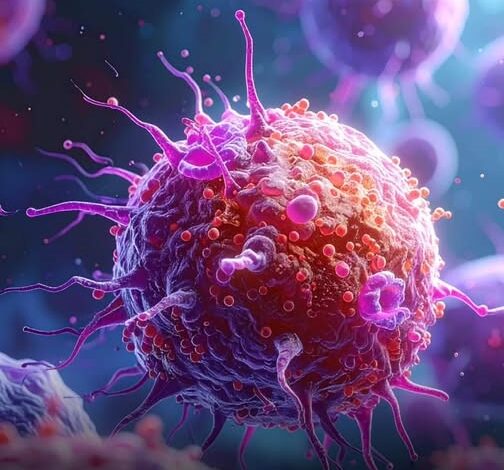
Researchers from the Chinese Academy of Sciences, led by Professor Jinyong Wang at the Institute of Zoology, have unveiled a groundbreaking advancement in cancer immunotherapy: a highly efficient, scalable method to mass-produce natural killer (NK) cells—and their engineered CAR-equipped counterparts—directly from stem cells. This innovation, detailed in a 2025 publication in Nature Biomedical Engineering, addresses longstanding hurdles in generating therapeutic NK cells for widespread clinical use.Natural killer (NK) cells are a vital part of the body’s innate immune defense system. Unlike T cells, which require prior exposure and activation to recognize threats, NK cells can spontaneously identify and eliminate abnormal cells, including many types of tumor cells, through mechanisms such as direct cytotoxicity, release of perforin and granzymes, and antibody-dependent cellular cytotoxicity (ADCC) via CD16 expression. Their “off-the-shelf” potential—meaning they can be used across patients without matching HLA types—makes NK cells especially attractive for immunotherapy, particularly in the form of chimeric antigen receptor (CAR)-NK cells, which are genetically modified to express receptors that precisely target specific cancer antigens (e.g., CD19 for certain leukemias and lymphomas).
However, traditional approaches to producing clinical-grade NK cells have faced significant limitations. Sourcing them from peripheral blood or induced pluripotent stem cells often results in limited expansion capacity, variable potency, high manufacturing costs, contamination risks, and challenges in genetic engineering (especially with viral vectors for CAR insertion). Starting from mature NK cells typically yields lower transduction efficiencies and requires substantial viral vector quantities, driving up expenses and complexity.Professor Wang’s team took a fundamentally different route by leveraging CD34+ hematopoietic stem and progenitor cells (HSPCs) harvested from umbilical cord blood—a readily available, ethically sourced, and rich reservoir of multipotent early-stage cells. Their optimized three-step protocol transforms these progenitor cells into high numbers of functional induced NK (iNK) cells or CAR-iNK cells:
- Expansion phase (days 0–14): CD34+ HSPCs are cultured in a cytokine-rich, serum-free medium to massively amplify the starting cell population.
- Differentiation phase (days 14–28): The expanded cells form feeder-free organoid aggregates that guide lineage commitment toward NK cell fate through specific signaling cues and growth factors.
- Maturation and proliferation phase (days 28–49): Cells are transferred to gas-permeable culture bags for final maturation, where they develop full NK phenotypes (high expression of CD56, NKG2D, NKp46, CD16, etc.) and robust effector functions.
The results are striking: a single CD34+ HSPC can generate up to 14 million mature iNK cells or approximately 7.6 million CAR-iNK cells by day 42, with final yields reaching as high as 83 million iNK or 32 million CAR-iNK cells per starting cell in extended cultures. When scaled to a typical cord blood unit (containing 1–2 million CD34+ cells), this platform could theoretically produce trillions of therapeutic cells—enough for hundreds or thousands of patient doses from just a fraction of one unit.A major cost-saving breakthrough is the dramatic reduction in viral vector usage for CAR engineering. By introducing the CAR construct early (during the expansion phase), the team achieved high transduction efficiency while using only about 1/140,000 to 1/600,000 of the vector typically required for mature NK cells. This slashes production expenses and minimizes potential safety risks associated with excess viral material.In rigorous preclinical testing, both fresh and cryopreserved iNK and CAR-iNK cells exhibited potent, broad-spectrum tumor-killing activity against various human cancer cell lines in vitro. In mouse xenograft models bearing human tumors, these cells significantly suppressed tumor growth and extended survival, demonstrating in vivo efficacy comparable to or better than existing NK therapies.
Unlike patient-specific autologous CAR-T therapies (which require individual cell collection, modification, and reinfusion—often delayed by manufacturing timelines and limited by patient health), this cord blood-derived approach enables true “off-the-shelf” allogeneic products. It avoids graft-versus-host disease risks common in some T-cell therapies, shows no detectable T-cell contamination, and supports “universal” use across patients.While still in the preclinical and early translational stages (with further safety, persistence, and dosing studies needed before human trials), this method represents a major step toward democratizing advanced immunotherapy. By making powerful, less toxic NK-based treatments more affordable, scalable, and accessible, it holds promise for treating a wider array of cancers—including solid tumors where current CAR-T approaches have struggled—ultimately improving outcomes for patients worldwide. Ongoing research by Wang’s group and collaborators continues to refine the platform, explore additional CAR targets, and advance toward clinical-grade manufacturing.