Vaping Is Destroying Young Lungs – Popcorn Lung, Collapsed Lungs & Worse Are Real Risks!

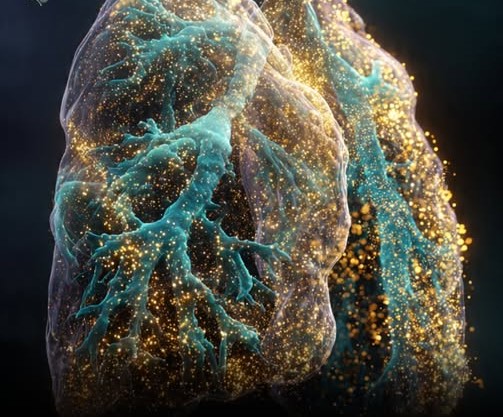
- Bronchiolitis obliterans (commonly called “popcorn lung”): This rare but severe scarring and narrowing of the small airways stems from inflammation and fibrosis, often linked to diacetyl in certain flavored e-liquids. It causes persistent coughing, wheezing, shortness of breath, and permanent damage that worsens over time, with no full cure—only symptom management.
- Lipoid pneumonia: Caused by inhaling oily substances (such as vegetable glycerin or propylene glycol derivatives in e-liquids), this triggers an inflammatory response as fatty acids accumulate in the alveoli, leading to cough, fever, chest pain, and breathing difficulties. Unlike infectious pneumonia, it’s non-infectious and can progress to severe respiratory compromise.
- Primary spontaneous pneumothorax (collapsed lung): Vaping has been tied to an increased incidence, particularly in younger users. Rapid growth spurts or underlying lung weaknesses can form small air blisters (blebs) on the lung surface; vaping appears to contribute to their rupture, allowing air to escape into the chest cavity and collapse the lung. This often presents suddenly with sharp chest pain and shortness of breath, sometimes requiring hospitalization, chest tubes, or surgery for resolution.
These injuries can emerge abruptly—even after relatively short-term use—and may not completely reverse even after stopping vaping. Many cases require intensive care, oxygen support, corticosteroids, or mechanical ventilation.Beyond acute conditions, the long-term outlook raises alarms. While direct causation of lung cancer from vaping alone remains under study (due to the relatively recent rise in use and the decades-long latency typical of smoking-related cancers), the presence of known carcinogens—formaldehyde, acetaldehyde, heavy metals, nitrosamines, and ultrafine particles that deposit deep in the bronchial tree—mirrors mechanisms long established in tobacco smoke that drive lung cancer development. Chronic inflammation, oxidative stress, DNA damage, and impaired mucus clearance from repeated exposure heighten theoretical risks, with emerging data suggesting vaping may accelerate pathways toward malignancy, especially in dual users (vaping + smoking).Secondhand vapor is also not benign: exhaled aerosol lingers in enclosed spaces, carrying nicotine, volatile chemicals, and fine particles that others—especially children or those with respiratory vulnerabilities—can inhale.The fundamental issue is clear: human lungs evolved to process clean, unadulterated air. Repeated inhalation of heated chemical aerosols disrupts this balance, inflames delicate tissues, impairs natural defenses, and invites lasting harm. Recent Johns Hopkins analyses (including 2025 studies on large cohorts) further link exclusive vaping to elevated risks of chronic obstructive pulmonary disease (COPD) and hypertension, reinforcing that vaping is far from harmless.While some damage may improve with cessation and supportive care, permanent scarring or functional loss is a real possibility. Public health experts emphasize prevention—especially among youth—and urge avoiding or quitting vaping entirely.Sources/Credits: Johns Hopkins Medicine (key pages on vaping lung effects, 2025 analyses linking e-cig use to COPD/hypertension, surgeon insights from Stephen Broderick); American Lung Association; CDC historical data on EVALI and related injuries; peer-reviewed reports in journals like Nicotine & Tobacco Research, Pulmonary Medicine, and others (up to 2025–2026 updates). This is shared for informational and educational purposes only—not medical advice. Consult a healthcare professional for personalized concerns.