Peppermint Oil Just Wiped Out Throat Cancer Cells in Lab Tests – Down to Almost Zero at High Doses!

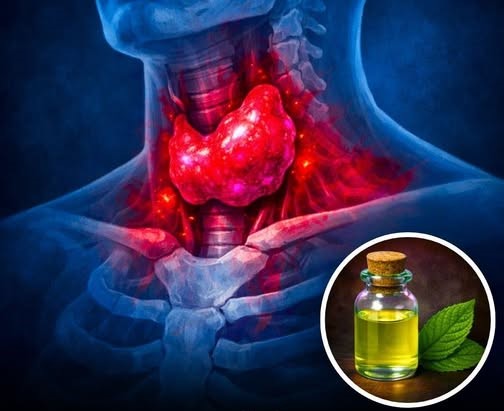
- Disruption of cell membranes: The lipophilic nature of essential oil components allows them to integrate into and compromise the integrity of cancer cell membranes.
- Induction of oxidative stress: Generation of reactive oxygen species (ROS) that overwhelm the cell’s antioxidant defenses.
- Activation of apoptosis: Triggering programmed cell death pathways, likely involving caspase activation, altered mitochondrial function, and shifts in pro- and anti-apoptotic proteins (e.g., increased Bax, decreased Bcl-2, or related signaling).
These effects are largely attributed to the oil’s primary bioactive constituents: menthol (typically 30–55% of peppermint oil), menthone (14–32%), along with smaller amounts of 1,8-cineole, menthyl acetate, and menthofuran. Menthol, in particular, has been studied in other cancer models for its ability to promote apoptosis, inhibit proliferation, and interfere with survival pathways (e.g., Akt signaling in some contexts).While these laboratory results are striking—showing strong antiproliferative and cytotoxic potential against this specific throat cancer cell line—they remain strictly preclinical and limited to isolated cells in a petri dish environment. In vitro findings do not predict outcomes in living organisms: factors such as bioavailability (how much active compound reaches tumor sites after ingestion, inhalation, or topical application), metabolism, systemic distribution, off-target toxicity (especially to healthy cells), optimal therapeutic dosing, and potential side effects have not been evaluated in animal models or humans.No clinical trials have tested peppermint essential oil as a treatment for laryngeal cancer or any other malignancy in patients. Medical professionals and oncology experts strongly advise against self-administering essential oils for cancer management—doing so carries risks of irritation, allergic reactions, toxicity (especially if ingested undiluted), or dangerous interactions with conventional therapies.Natural compounds like those in peppermint oil continue to inspire drug discovery and nutraceutical research, as seen with other plant-derived agents that have progressed to approved anticancer drugs. However, rigorous phased clinical studies—starting with safety assessments and escalating to efficacy trials—are mandatory before any claims of therapeutic benefit can be substantiated.This work contributes to the growing body of evidence on essential oils’ bioactivities and highlights the value of exploring food-grade or aromatic plant derivatives for potential anticancer leads, while reinforcing the critical distinction between promising lab data and proven medical treatments.Source/Credit: Primary study “Peppermint (Mentha piperita) Essential Oil Induces Dose-Dependent Cytotoxicity in Human Laryngeal Carcinoma Cells (HNO210)” (published online December 11, 2025, in Journal of Craniofacial Surgery, DOI: 10.1097/SCS.0000000000012300), along with related research on menthol/menthone mechanisms in various cancer models (e.g., from PMC, Wiley, and ScienceDirect publications 2021–2025). Social media recirculations (e.g., Facebook posts from late 2025) have amplified awareness of this specific HNO210 study.