Uncategorized

Doctors Sent Her Home with Tonsillitis – Hours Later She Was Dead from Meningitis. What Really Happened?
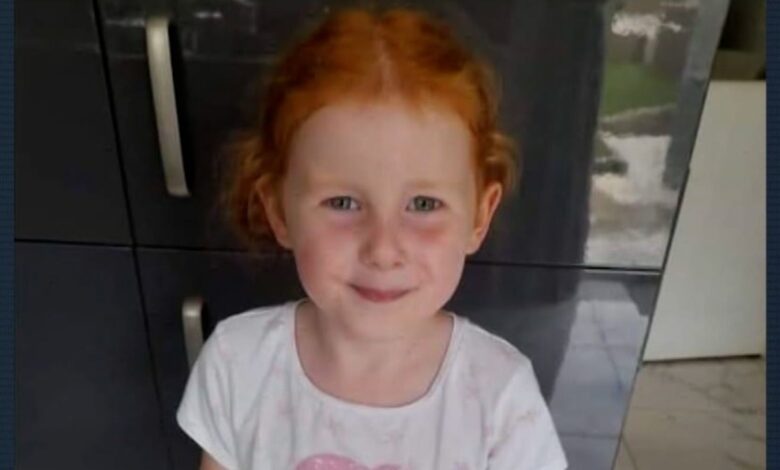
Five-year-old Lila Marsland was a vibrant, joyful little girl full of life—always buzzing with excitement about her brand-new bike, her first days at school, and the simple joys that lit up her world. On December 27, 2023, what started as a happy family walk near the scenic Dovestone Reservoir in Greater Manchester quickly turned into every parent’s nightmare. During the outing, Lila suddenly complained of a severe headache, began vomiting repeatedly, and soon developed neck pain and stiffness—classic red-flag symptoms that set off alarm bells for her mother, Rachael Mincherton, a district nurse by profession.Deeply concerned that this could be something far more serious like meningitis, Rachael rushed her daughter to Tameside General Hospital in Ashton-under-Lyne. There, Lila was assessed by multiple healthcare professionals over several hours in the emergency department. Despite displaying strong warning signs—including high heart rate, lethargy, limited neck movement, inability to pass urine, and other indicators often associated with bacterial meningitis—doctors ultimately diagnosed her with suspected tonsillitis. She was discharged around 2 a.m. on December 28 with a prescription for antibiotics and a throat spray, and the family was reassured that meningitis was not the issue.
Tragically, just hours later—around 9 a.m. that same morning—Rachael woke to find her five-year-old daughter unresponsive in bed beside her. Despite immediate CPR attempts and the swift arrival of paramedics at their home in Hyde, Tameside, Lila was pronounced dead at 9:19 a.m. Post-mortem tests later confirmed the cause as pneumococcal meningitis (caused by Streptococcus pneumoniae), a fast-moving bacterial infection that inflames the membranes around the brain and spinal cord.An inquest at Manchester South Coroner’s Court (concluded in early June 2025) heard extensive evidence and returned a narrative verdict: Lila died of natural causes (meningitis), but her death was contributed to by neglect at the hospital. The jury specifically found that Lila showed “strong signs of meningitis” during her time in A&E, yet key assessments were incomplete or inadequate—no full neck stiffness test was properly performed, the rash check was limited (only chest and back), and crucially, broad-spectrum antibiotics were not administered within the first hour of triage. Experts testified that prompt admission and antibiotic treatment at that stage would have prevented her death.
The family, including Lila’s father Darren Marsland and older sister Ava, have described the loss as shattering—their lives forever changed by what they believe was a preventable tragedy. They have spoken publicly about the pain of reliving the events during the eight-day inquest, the word “neglect” being one no parent should ever hear in connection with their child’s death, and their ongoing wait for a personal, direct apology from the hospital trust (despite a general public apology issued by the trust). In response to the findings, a Prevention of Future Deaths report was issued by the coroner in June 2025, highlighting systemic concerns around meningitis recognition and prompting recommendations to avoid similar outcomes.Lila’s parents have since established a charity called Lila’s Light to support bereaved siblings and raise awareness about the rapid, deadly nature of meningitis and the importance of early recognition/treatment. This heartbreaking case underscores how quickly bacterial meningitis can progress in young children and serves as a stark reminder of the critical need for vigilance in emergency care when red-flag symptoms appear.Shared for informational and educational purposes only—this is a tragic, real-life story based on public inquest findings and family statements. Meningitis symptoms can mimic other illnesses, so always seek urgent medical help if concerned (in the UK, call 999 or go to A&E for suspected cases).