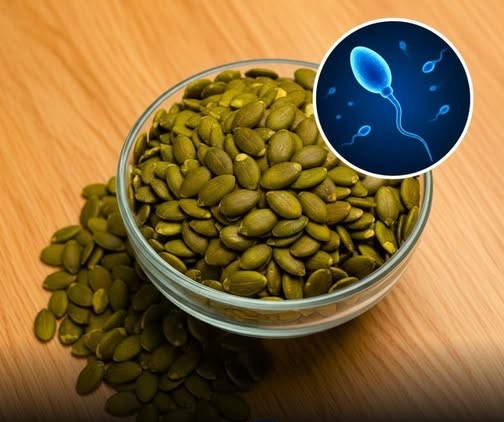
- It’s essential for testosterone synthesis and regulation.
- It supports spermatogenesis (sperm production), motility, morphology (shape), viability, and semen parameters like volume.
- Mild zinc deficiency correlates with lower semen quality, reduced sperm count/motility, and impaired fertility—common in men with suboptimal diets or high oxidative stress.
- Seminal plasma zinc levels are often higher in fertile men than infertile ones, and supplementation (or dietary boosts) has shown improvements in studies.
Key evidence includes:
- Animal studies (e.g., rats/mice) where pumpkin seed extracts or combinations with zinc/fructose improved semen volume (~2.0 mL in optimal doses), sperm count (up to 100–122 million/mL), motility (76–92%), progressive motility, viability, and morphology—while preserving testicular histology and avoiding toxicity at moderate doses (2025 Journal of Neonatal Surgery study on Wistar rats).
- Protective effects against toxins (e.g., cyclophosphamide or cisplatin-induced damage), where pumpkin seeds boosted antioxidant capacity, reduced oxidative stress, and restored sperm parameters.
- Human-linked observations: Zinc supplementation (often 30 mg+) improves sperm count, motility, and shape in subfertile men (e.g., Fertility and Sterility references). Pumpkin seeds feature prominently in fertility diet recommendations for their bioavailable zinc and supporting nutrients.
- A 2012 human trial with pumpkin seed oil (5g daily for 12 weeks) noted significant gains in sperm count and motility.
Pumpkin seeds shine as a simple, natural addition:
- They help combat oxidative damage to sperm (via antioxidants and magnesium for blood flow/hormone balance).
- Support prostate health (phytosterols reduce inflammation/BPH risk).
- Aid overall wellness—lower stress/inflammation indirectly benefits reproductive function.
Male fertility challenges are rising globally (due to lifestyle, pollution, diet), and diet is a low-risk, accessible factor. A handful (1–2 oz) daily—raw, roasted, sprinkled on yogurt/salads, or in trail mix—can contribute meaningfully without being a standalone “cure.” Results are gradual and best alongside balanced nutrition, exercise, sleep, and avoiding smoking/excess alcohol.Pumpkin seeds aren’t magic, but science increasingly backs traditional wisdom: small, everyday foods like these can support deeply personal aspects of health, from hormone balance to semen quality and beyond. For personalized advice, especially with fertility concerns, consult a doctor or urologist/andrologist.