In a major medical breakthrough making headlines in Australia, doctors at Liverpool Hospital in southwest Sydney have become the first in the country to deploy an advanced MRI-guided cryoablation system—a cutting-edge, minimally invasive technique that literally freezes and destroys certain cancer tumors without the need for traditional open surgery.Introduced in 2025 and now actively treating patients, this innovative approach marks a significant leap in precision oncology. Interventional radiologists insert one or more thin, needle-like probes (cryoprobes) through tiny skin punctures directly into or near the tumor. Argon gas is then rapidly circulated through the probe, cooling the tip to extreme temperatures—often around -180°C—in seconds. This creates a controlled “ice ball” that encompasses the cancerous tissue, forming destructive ice crystals inside the cells, rupturing their membranes, disrupting cellular structures, and cutting off the blood supply that feeds the tumor. The result is targeted cell death (necrosis) while preserving as much surrounding healthy tissue as possible.
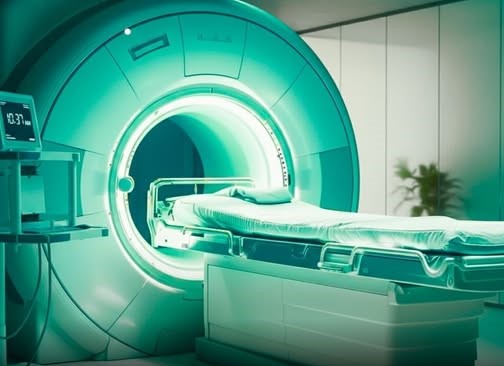
What sets this Sydney system apart—and makes it revolutionary—is the integration of real-time MRI imaging throughout the entire procedure. Unlike older cryoablation methods that rely on ultrasound or CT scans (which offer good but less detailed views), MRI provides superior soft-tissue contrast, millimeter-level accuracy, and the ability to visualize temperature changes and the exact margins of the freezing zone as it expands. Doctors can monitor progress live on high-resolution screens, adjust the probe placement or freeze duration instantly, and avoid critical structures like nerves, blood vessels, or organs nearby. This level of precision is especially valuable for tumors in delicate or hard-to-reach locations, such as the spine (for pain relief in metastatic cases), liver, kidneys, or soft tissues in the pelvis.Patients often benefit dramatically from the minimally invasive nature of the treatment: many experience only mild discomfort (managed with local anesthesia or conscious sedation), minimal bleeding, little to no scarring, and a dramatically shorter recovery compared to conventional surgery. In reported cases, individuals have returned home the same day or after a brief overnight stay, with quick relief from tumor-related pain—such as the debilitating spinal discomfort experienced by patients with metastatic disease. Early outcomes show high efficacy for localized or small-to-medium tumors, with studies on similar cryoablation approaches reporting excellent ablation success rates (up to 100% primary efficacy in select small renal tumors) and low recurrence over several years when used appropriately.This isn’t a one-size-fits-all cure—MRI-guided cryoablation is best suited for early-stage or specific localized tumors (e.g., certain prostate, kidney, liver, or soft-tissue cancers), palliative pain control in advanced cases, or patients who aren’t candidates for major surgery due to age, comorbidities, or tumor location. It’s not intended to replace established treatments like chemotherapy, immunotherapy, radiation, or open resection but serves as a powerful complementary tool in the modern oncology arsenal.
The rollout at Liverpool Hospital—part of a broader $1 billion redevelopment including a new cancer center slated for 2027—highlights how rapidly cancer care is advancing toward smarter, less traumatic interventions. By harnessing extreme cold under unmatched imaging guidance, this “ice age” technology reduces patient trauma, shortens hospital stays, lowers complication risks, and improves quality of life—all while effectively targeting the disease.As more centers adopt similar systems globally (with parallels already in use at places like Stanford Health Care), MRI-guided cryoablation stands as a compelling example of how innovation is shifting oncology from aggressive, invasive procedures to precise, patient-centered solutions. For those facing certain cancers, the future increasingly looks like a targeted freeze rather than a major cut—offering hope through science that’s as elegant as it is effective.Sources/Credits: Based on reports from 9News Australia (September 2025), NSW Health/Liverpool Hospital announcements, Global Brands Magazine, Interesting Engineering, and related medical coverage (2025–2026). Shared for informational and educational purposes only.