- Magnesium – supports vascular health, improves blood flow to reproductive organs, and helps regulate hormone balance.
- Healthy omega-3 and omega-6 fatty acids – contribute to cell membrane integrity in sperm and help modulate inflammation throughout the body.
- Antioxidants (including vitamin E, carotenoids, and phenolic compounds) – combat oxidative stress, a major factor that can damage sperm DNA, reduce motility, and impair overall reproductive cell function.
- Plant sterols and phytosterols – may offer mild support for prostate health and hormonal regulation.
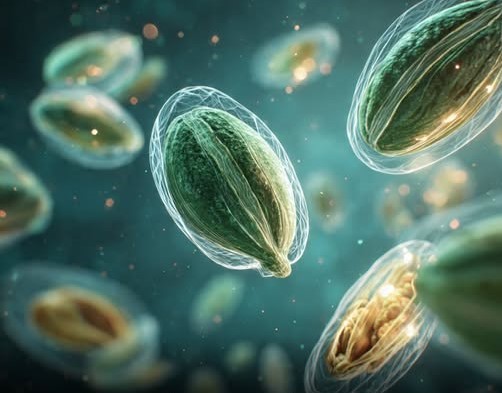
Together, these nutrients work synergistically to protect delicate reproductive cells from oxidative damage, enhance mitochondrial energy production (vital for sperm movement), promote better circulation in the pelvic region, and create a more favorable environment for hormone synthesis and sperm development.Incorporating pumpkin seeds into your daily routine is remarkably simple and effective. Just a small handful (about 1–2 tablespoons, or roughly 20–30 grams) per day is sufficient to provide meaningful amounts of these key micronutrients. You can enjoy them:
- Raw for maximum nutrient retention
- Lightly roasted for enhanced flavor
- Sprinkled over salads, yogurt, oatmeal, or smoothies
- Mixed into trail mixes, homemade energy bars, or baked goods
While pumpkin seeds are not a cure or a replacement for medical treatment, consistent consumption as part of a balanced diet offers an easy, whole-food way to provide targeted nutritional support for male reproductive health, hormonal balance, and long-term fertility.When combined with other healthy lifestyle habits—such as regular exercise, adequate sleep, stress management, and avoiding smoking or excessive alcohol—they become a practical and evidence-based addition to supporting reproductive wellness naturally.Source / Credit: Nutritional science research on zinc and male fertility, pumpkin seed micronutrient profiles, and studies on antioxidants in relation to sperm health.