Uncategorized

The cerebellum, traditionally known for coordinating movement, posture, and balance, also houses a small region highly specialized for language
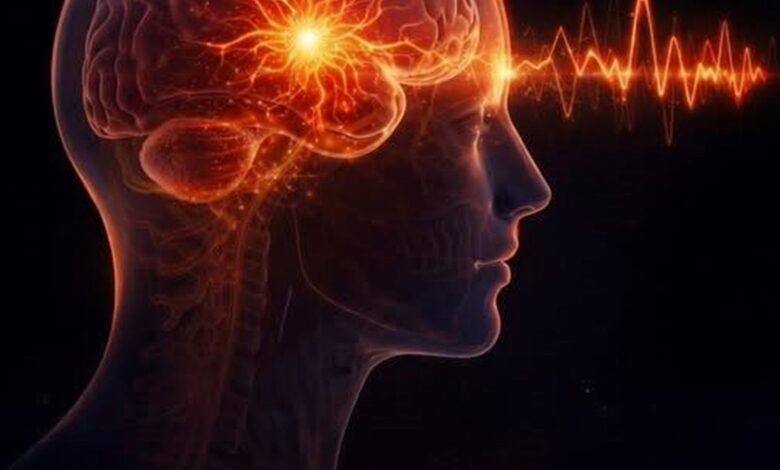
The cerebellum—long regarded as the brain’s dedicated coordinator for smooth, precise movement, balance, posture, and motor timing—has quietly guarded a secret for decades: it also contains a highly specialized zone that is deeply involved in language.In a groundbreaking study published in the journal Neuron in 2026 (“The Cerebellar Components of the Human Language Network”), researchers from MIT and Harvard analyzed functional brain imaging data from more than 800 participants. They carefully mapped how different parts of the cerebellum light up during a wide variety of tasks: solving math problems, listening to music, following narratives and stories, performing mental calculations, and—crucially—processing language, whether reading written words or hearing spoken sentences.
The results were striking.
Most regions of the cerebellum showed activity tied to the kinds of structured, rhythmic, or sequential processing one might expect from a motor-control structure: activation during math, during music, during storytelling, or during tasks requiring precise timing and coordination. But one small, distinct area stood apart completely.
This particular cerebellar hotspot responded selectively and robustly only when participants were reading words or listening to speech. It showed virtually no activation for music, math, stories without heavy linguistic focus, or any non-verbal cognitive task tested.
This discovery reveals something remarkable: the cerebellum is not merely a supporting player in movement. It houses what appears to be a parallel, dedicated language-processing circuit that mirrors—yet is anatomically separate from—the well-known language network in the cerebral cortex (Broca’s and Wernicke’s areas and their surrounding regions).Unlike the cortical language system, which integrates meaning, syntax, phonology, and context across broad networks, this cerebellar language zone seems laser-focused on the rapid, precise processing of words themselves—the structural and sequential elements of language. It may help with the timing and coordination needed for fluent speech production, accurate reading fluency, or the millisecond-level sequencing required to turn thoughts into grammatically correct sentences.The existence of this specialized region underscores just how modular and distributed the human brain really is.
Language, long assumed to be almost entirely a cerebral-cortex phenomenon, now appears to recruit a second, evolutionarily older structure in ways we are only beginning to understand.
These findings carry real-world significance.
Damage to this cerebellar language area—whether from stroke, trauma, tumor, or neurodegenerative disease—could contribute to difficulties with speech fluency, word retrieval, reading accuracy, or sentence formulation, even when classic cortical language areas remain intact.
Such deficits are sometimes seen in cerebellar patients but have historically been under-recognized or attributed solely to motor problems (dysarthria or ataxia of speech)
.Looking forward, this newly identified region could become an important target for rehabilitation strategies.m
Techniques such as transcranial magnetic stimulation (TMS), non-invasive brain stimulation, targeted speech therapy exercises, or even future neurofeedback approaches might one day be tailored specifically to engage and strengthen this cerebellar language hub, offering new hope for people recovering from aphasia, developmental language disorders, or post-stroke language impairments.In short, the “little brain” is far more than a movement machine. It quietly supports one of the most uniquely human abilities we possess—language—and its hidden role is finally coming into focus.
This discovery not only deepens our picture of how the brain orchestrates complex cognition, but also opens promising new avenues for understanding and treating disorders that affect our ability to communicate.