Uncategorized

Study reveals that thick thighs save lives by reducing risk of cardiovascular and other diseases because fat in the lower body can act as a beneficial fat depot, while larger thigh muscle mass improves insulin sensitivity and overall metabolic health
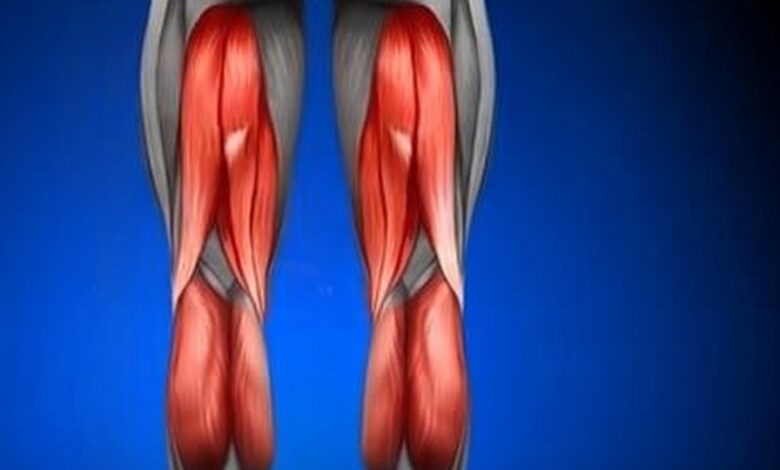
A growing body of research is challenging the old idea that all body fat is equally harmful. In fact, one surprising finding stands out: thicker thighs may actually help save lives. Larger thigh circumference — reflecting both greater muscle mass and more subcutaneous fat in the lower body — is consistently linked to a reduced risk of cardiovascular disease, type 2 diabetes, high blood pressure, and other serious metabolic disorders.The key lies in where the fat is stored. Unlike visceral fat (the deep abdominal fat that surrounds organs and is strongly linked to heart disease and inflammation), fat in the hips, buttocks, and thighs — known as glutefemoral or lower-body subcutaneous fat — behaves very differently. This type of fat acts as a protective “fat depot.” It is highly efficient at soaking up and safely storing excess free fatty acids that flood the bloodstream after meals. By trapping these potentially harmful lipids away from vital organs and blood vessels, lower-body fat helps prevent them from accumulating in places where they cause damage, such as the liver, pancreas, heart, and arteries.Moreover, fat cells in the thighs and hips are biologically distinct. They tend to release beneficial hormones and signaling molecules, including higher levels of adiponectin (which improves insulin sensitivity and reduces inflammation) and leptin (which helps regulate appetite and energy balance). These anti-inflammatory and metabolically protective effects stand in stark contrast to the pro-inflammatory profile of visceral fat.Interestingly, some studies suggest that this lower-body fat distribution is influenced by higher estrogen levels — more common in women, but also present to varying degrees in men — which may contribute to its anti-inflammatory and cardioprotective properties.Beyond the fat itself, the muscle mass in the thighs plays an equally important role. The legs contain some of the body’s largest muscle groups, and greater thigh muscle volume is strongly associated with improved insulin sensitivity. This means the body is better able to take glucose out of the bloodstream and into the cells where it can be used for energy, reducing blood sugar spikes and lowering the long-term risk of insulin resistance, type 2 diabetes, and cardiovascular complications.Skeletal muscle — especially in the lower body — acts as a major metabolic “sink” for both glucose and lipids. During physical activity (and even at rest), leg muscles help clear sugar and fats from circulation, positively influencing overall metabolic health and reducing systemic inflammation.Conversely, a small thigh circumference often signals lower leg muscle mass and/or reduced subcutaneous fat in the lower body. This combination is associated with poorer insulin sensitivity, impaired glucose uptake, unfavorable changes in lipid metabolism, and a higher likelihood of developing high blood pressure, metabolic syndrome, and related diseases. In other words, having too little muscle and too little protective lower-body fat can leave the body less equipped to handle dietary fats and sugars effectively, allowing harmful effects to build up over time.What makes this particularly practical is the simplicity of the measurement: thigh circumference is easy to assess with just a tape measure — no expensive equipment, no blood tests, no scans required. It provides a quick, inexpensive, and surprisingly informative indicator of metabolic health. While it’s not a complete picture on its own, research consistently shows that people with larger thigh measurements tend to have better cardiovascular and metabolic profiles compared to those with smaller measurements, even when other factors like overall body weight or waist size are considered.In summary, “thick thighs” are far more than an aesthetic trait. The combination of substantial thigh muscle mass and protective glutefemoral fat appears to serve as a natural buffer against some of the most common and deadly chronic diseases of our time. Rather than viewing lower-body fat and muscle purely through the lens of appearance, science is increasingly recognizing them as important contributors to long-term health and resilience.