Uncategorized

New research reveals that traditional cabbage leaf wraps function at a genetic level to stop inflammation and pain.
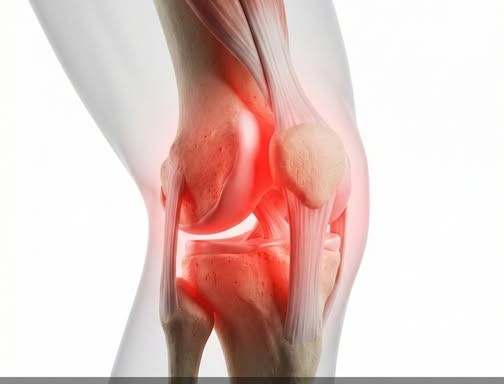
No, this is not merely an old folk remedy rooted in superstition or pseudoscience—modern scientific research has now uncovered that traditional cabbage leaf wraps exert their therapeutic effects through sophisticated mechanisms operating at the genetic and molecular level, effectively reducing inflammation and alleviating pain.For centuries, across various cultures, the simple practice of applying fresh cabbage leaves as compresses or wraps has been a widely used home remedy for a range of inflammatory conditions, from joint pain and swollen ankles to bruises, sprains, and even breast engorgement in nursing mothers
. What was once dismissed by many in conventional medicine as anecdotal or placebo-driven is now gaining serious credibility, thanks to rigorous studies that reveal the underlying biological processes responsible for these observed benefits.At the heart of this discovery is the identification of specific microRNA molecules found naturally in cabbage—most notably miR172a and miR172b. These tiny, non-coding RNA strands, which plants use to regulate their own gene expression, have been shown in recent research to possess the remarkable ability to cross biological barriers and enter human cells and tissues after topical application
. Once inside human cells, these plant-derived microRNAs interact directly with key components of the human inflammatory cascade. In particular, they target and modulate the activity of the FAN protein (also known as FANCD2-associated nuclease 1), a critical player in pro-inflammatory signaling pathways. By downregulating FAN-mediated signals, these microRNAs help suppress the excessive production of inflammatory mediators, thereby reducing the cascade of events that leads to swelling (edema), redness, heat, and the intense pain commonly experienced in conditions such as arthritis, soft-tissue injuries, and acute inflammation.
This cross-kingdom (plant-to-human) transfer and functional activity of microRNAs represents a groundbreaking insight into how certain plant-based therapies can influence human physiology at the deepest molecular and epigenetic levels. It bridges traditional herbal knowledge with cutting-edge molecular biology and challenges the long-held assumption that plant compounds act only through superficial or indirect mechanisms.
The molecular findings are strongly supported by high-quality clinical evidence. In well-designed, randomized controlled trials—most notably a study published in The Clinical Journal of Pain—cabbage leaf wraps were directly compared to standard pharmaceutical treatments for symptomatic knee osteoarthritis. The results were striking: patients who applied cabbage leaf compresses experienced pain relief and reductions in joint stiffness and swelling that were statistically equivalent to those achieved with topical diclofenac gel (a widely prescribed non-steroidal anti-inflammatory drug). However, the cabbage treatment group reported significantly fewer adverse effects, such as skin irritation, gastrointestinal upset, or systemic side effects commonly associated with NSAIDs. These findings suggest that cabbage wraps offer a genuinely comparable therapeutic benefit with a much safer side-effect profile.Beyond the newly discovered microRNA mechanism, cabbage leaves are naturally rich in a powerful synergy of anti-inflammatory and healing compounds.
These include high levels of anthocyanins (potent antioxidants responsible for the purple color in red cabbage), glutamine (which supports tissue repair and reduces inflammation), sulfur-containing glucosinolates (which contribute to detoxification and anti-inflammatory effects), as well as vitamins C and K, and various polyphenols. When applied as a compress, the cool, moist leaves help draw out excess interstitial fluid through osmotic action, mechanically reducing edema while simultaneously delivering these bioactive molecules directly to the affected area. This multi-modal action—cooling, fluid extraction, antioxidant protection, and genetic-level modulation—makes cabbage wraps particularly effective for both acute injuries (such as sprains, contusions, and muscle strains) and chronic inflammatory conditions (including osteoarthritis, rheumatoid arthritis flares, and mastitis).In an era where many people seek safer, more natural, and low-cost alternatives to pharmaceuticals—especially for long-term management of pain and inflammation—cabbage leaf wraps stand out as an evidence-based, accessible option. They require no prescription, have virtually no cost, and can be prepared at home with minimal effort, all while delivering clinically meaningful results backed by both molecular biology and human trials.Source reference: Lauche, R., Gräf, N., Bollert, C., Dobos, G., & Cramer, H. (Year). Efficacy of Cabbage Leaf Wraps in the Treatment of Symptomatic Osteoarthritis of the Knee: A Randomized Controlled Trial. The Clinical Journal of Pain. This emerging body of research not only validates a centuries-old tradition but also opens exciting new avenues for exploring how other plant-derived microRNAs and bioactive compounds might be harnessed for targeted, side-effect-free treatments in modern medicine.