Uncategorized

A prize-winning middle school science experiment uncovered alarming results: in 70% of cases, ice samples from fast-food places had higher levels of bacteria—including E. coli—than water from the same locations’ toilet bowls.
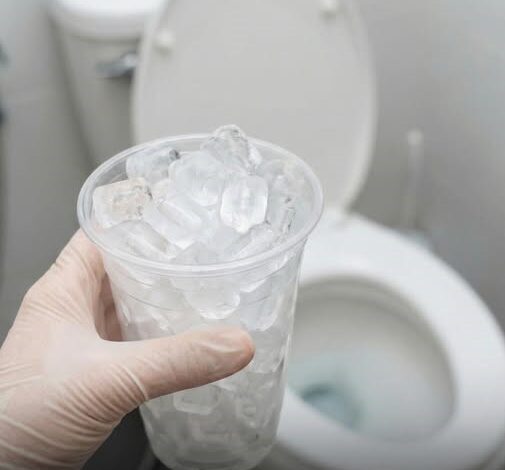
A prize-winning middle school science experiment uncovered alarming results: in 70% of cases, ice samples from fast-food places had higher levels of bacteria—including E. coli—than water from the same locations’ toilet bowls.Twelve-year-old Jasmine Roberts decided to investigate fast-food hygiene for her project. She gathered ice from five different restaurants in Florida and compared it directly to toilet water samples from those same spots.The lab tests showed that 70% of the ice samples had much greater bacterial contamination than the toilet water, with multiple instances detecting E. coli and fecal coliform bacteria. This exposed a surprising sanitation issue in the restaurant world that most people had overlooked.The explanation is straightforward yet gross: restaurant toilets get regular cleaning and flushing, while ice machines frequently go uncleaned, letting slimy, bacteria-laden buildup form inside. Health professionals pointed out that the bacteria levels weren’t always dangerous enough to cause major outbreaks, but the project became a big public wake-up call. It drew widespread media coverage and helped push for stricter, more regular checks on ice equipment, raising the bar for the cleanliness of ice served to customers.(Original reporting drew from local Florida news coverage, such as WTSP/10 News, and was picked up nationally by outlets like ABC News in 2006; the “Associated Press” and “NBC News” citation in viral versions appears to be a common but slightly inaccurate attribution—it’s rooted in real events but not directly from an AP/NBC headline.)This story has resurfaced many times over the years, reminding people to think twice about that extra ice in their drink!