A new 2025 study from the Institute for Basic Science (IBS) and Ewha Womans University in South Korea offers major hope for treating Post-Traumatic Stress Disorder (PTSD)


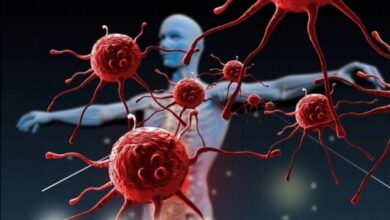
- Excess GABA: Astrocytes in the medial prefrontal cortex (mPFC) produce abnormally high levels of the neurotransmitter GABA through an enzyme called MAOB.
- Brain suppression: This elevated GABA “shuts down” neural activity and reduces blood flow in the brain region responsible for regulating fear.
- Result: The brain stays “stuck” in the trauma, preventing natural fear-extinction mechanisms from working.
The drug KDS2010: A potential game-changerUnlike current medications that mainly target serotonin receptors (with limited effectiveness), the new drug KDS2010 addresses the root cause:
- It blocks the MAOB enzyme, stopping the abnormal GABA production by astrocytes.
- In mice, it normalized brain activity and restored the ability to extinguish fear memories.
- Safety status: The best news is that KDS2010 has successfully completed Phase 1 clinical trials in humans, proving safe, and is now in Phase 2 trials.
The “reverse translational” strategyThis research is unique because it began with brain scans from over 380 people, revealing elevated GABA levels, and then moved to mouse models to pinpoint the exact culprit: astrocytes.“This study opens an entirely new therapeutic paradigm not only for PTSD but also for other disorders such as panic, depression, and schizophrenia.” — Dr. C. Justin LeeUntil now, glial cells (like astrocytes) were seen as passive supporters, but this work shows they play an active role in shaping psychiatric symptoms. If KDS2010 proves successful in Phase 2, it could become the first treatment that targets the actual chemical mechanism keeping trauma alive in the brain, rather than just managing symptoms.